The security industry is undergoing rapid transformation driven by technological advancements and evolving safety demands. From integrating AI-powered surveillance to adopting smart access control systems, the role of security professionals is shifting dramatically.
This evolution not only enhances protection measures but also requires new skill sets and certifications. For those in the security guard profession, staying updated with these changes is crucial for career growth and effectiveness.
Let’s dive deeper into how these industry shifts impact security guards and what you need to know to stay ahead. I’ll walk you through the details to make sure you get the full picture!
Embracing AI and Automation in Daily Security Operations
AI-Powered Surveillance Systems: Beyond Traditional Cameras
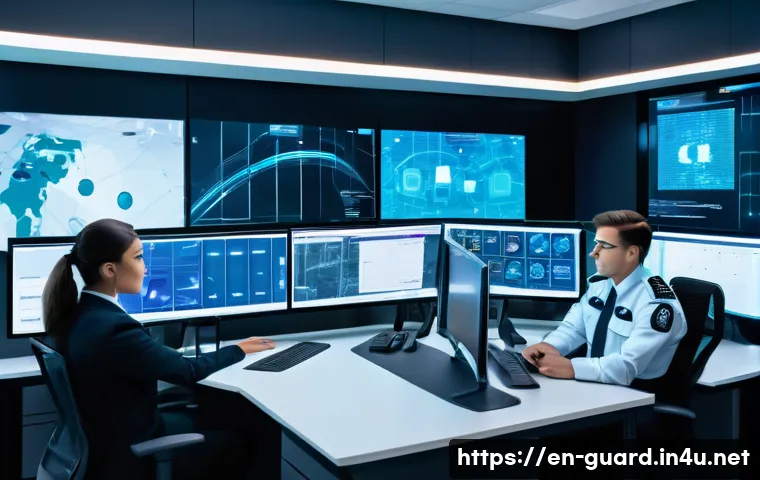
Security professionals today are no longer relying solely on standard CCTV setups. The integration of AI into surveillance systems has transformed the way incidents are detected and handled.
These intelligent cameras can now analyze footage in real-time, identifying suspicious behavior or recognizing faces with remarkable accuracy. From my own experience working alongside such systems, the immediate alerts triggered by AI have drastically cut down response times.
It’s like having an extra pair of eyes that never tire, scanning for anomalies 24/7. This shift means security guards need to familiarize themselves with how these systems operate and interpret their alerts effectively, rather than just watching monitors passively.
Robotic Patrols and Automated Drones
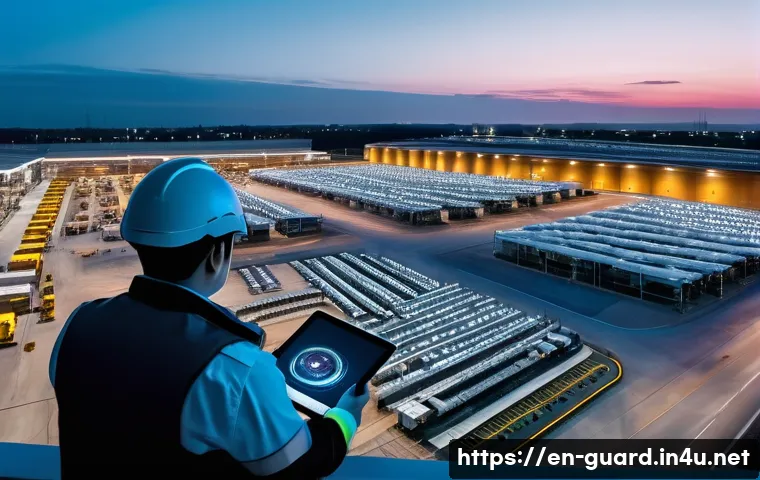
Robotic security patrols and drones are becoming more common, especially in large commercial or industrial spaces. These devices can cover vast areas autonomously, streaming live data back to control centers.
When I first encountered drone patrols during a site visit, I was impressed by how they could navigate complex environments and provide aerial views that no fixed camera could offer.
However, this technology also requires security personnel to develop new technical skills—like managing drone flight paths, troubleshooting hardware issues, and integrating drone data with existing security systems.
It’s a blend of traditional vigilance and tech-savvy operation.
Smart Access Controls: The Digital Gatekeepers
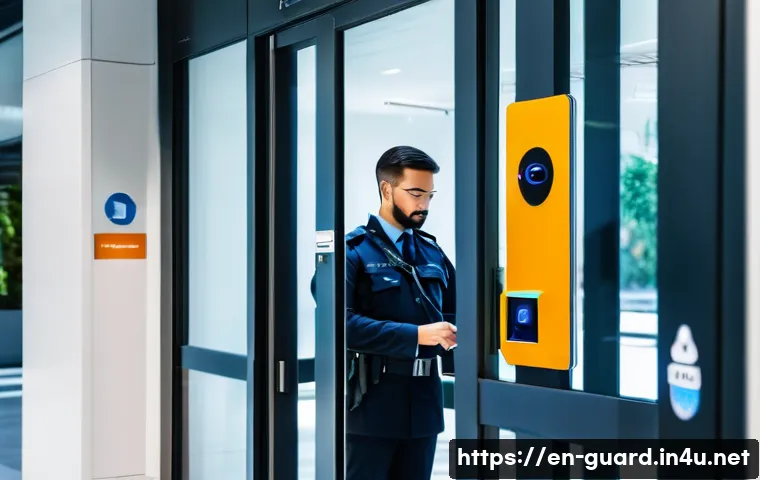
Gone are the days when a simple key or passcode was enough to secure entry points. Smart access control systems now use biometric scans, mobile credentials, and cloud-based authorization to regulate who gets in and when.
From what I’ve observed, these systems offer a much tighter security framework but also demand that guards understand how to manage digital identities and troubleshoot access issues remotely.
This means the role of a security guard is evolving into that of a tech facilitator, bridging physical security with digital management.
Skills Transformation: What Modern Security Guards Must Master
Technical Literacy as a Core Competency
Today’s security guards must be comfortable with a range of technical tools—from software dashboards to handheld devices. I remember when I first started, a walkie-talkie was the main gadget on hand.
Now, guards are expected to navigate complex interfaces, perform system diagnostics, and even analyze data trends. This technical literacy isn’t just a bonus; it’s essential for effective job performance and career advancement.
Training programs have adapted accordingly, emphasizing digital skills alongside traditional security knowledge.
Critical Thinking and Rapid Decision-Making in a Digital Context
With the influx of real-time data from AI and IoT devices, security guards face a constant flow of information that must be quickly interpreted. The ability to separate false alarms from genuine threats is crucial.
I recall a situation where an AI system flagged a potential intrusion, but on closer analysis, it was a false positive triggered by a stray animal. Guards need to apply critical thinking to avoid unnecessary escalations while ensuring no real threat slips through.
This balancing act requires both experience and updated training focused on interpreting technology-generated data accurately.
Continuous Learning and Certification Updates
The rapid pace of change means certifications that were valid five years ago might now be outdated. Security professionals need to commit to continuous education, attending workshops, and earning new certifications that reflect current industry standards.
Personally, I’ve found that staying proactive with certifications not only boosts confidence but also opens doors to better job opportunities and higher pay.
Employers increasingly prioritize guards who demonstrate a commitment to lifelong learning in this tech-driven landscape.
Integrating Cybersecurity Awareness into Physical Security Roles
Understanding Cyber-Physical Threats
Modern security isn’t just about protecting physical assets—it’s about defending digital infrastructure too. Many breaches start with vulnerabilities in physical security systems, like unsecured network cameras or compromised access control panels.
Security guards must now grasp basic cybersecurity principles to recognize potential digital threats that could impact the physical environment. During a recent training session I attended, it became clear how intertwined these two domains have become, with physical security serving as the first line of defense against cyber intrusions.
Collaboration with IT and Security Teams
The division between physical and IT security teams is blurring. Guards often work closely with cybersecurity experts to ensure comprehensive protection.
I’ve seen firsthand how joint efforts in incident response—such as isolating a compromised device or shutting down unauthorized access—can prevent larger security breaches.
This collaboration demands that guards communicate effectively using IT terminology and understand digital workflows, which was not a traditional part of their role.
Security Protocols for Smart Devices
The proliferation of IoT devices in security environments—from smart locks to environmental sensors—introduces new vulnerabilities. Guards must be trained on protocols for safely interacting with these devices, including regular updates, secure password management, and reporting anomalies.
My own experience managing smart building systems has shown me that ignoring these protocols can lead to serious security gaps, so vigilance and knowledge here are critical.
Adapting to Regulatory Changes and Compliance Requirements
Keeping Up with Industry Standards
Regulatory bodies are constantly updating standards to address new security challenges. For security guards, this means staying informed about local, state, and federal regulations that affect their responsibilities.
I’ve noticed that employers who invest in regular compliance training help their teams avoid costly penalties and maintain strong reputations. It’s not just about following rules but understanding why they exist and how they impact daily operations.
Documentation and Reporting Enhancements
Digital tools have revolutionized how incidents are recorded and reported. Security guards now use apps and cloud platforms to log activities instantly, which improves transparency and accountability.
From my perspective, this shift has made documentation less tedious and more accurate, but it also requires guards to be proficient in these digital systems.
Accurate reporting is vital for legal compliance and for post-incident analysis, making it a core skill in modern security work.
Privacy Considerations and Ethical Responsibilities
With advanced surveillance and data collection, security personnel must be aware of privacy laws and ethical boundaries. Guards play a crucial role in ensuring that surveillance practices respect individual rights while maintaining safety.
In my experience, clear guidelines and ongoing ethics training help prevent misuse of technology and foster trust between security teams and the communities they serve.
Career Growth Opportunities in a Tech-Driven Security Landscape
Specialization in Technology-Heavy Roles
As security roles become more tech-centric, there’s a growing demand for specialists in areas like cybersecurity liaison, AI system operators, and drone coordinators.
I’ve seen colleagues transition into these niches after gaining targeted certifications and hands-on experience. Specializing can lead to higher salaries and more strategic responsibilities, making it an attractive path for ambitious security professionals.
Leadership Roles and Strategic Planning
Modern security management involves strategic planning that integrates technology with traditional methods. Guards who develop skills in project management, risk assessment, and technology deployment often move into supervisory or managerial positions.
From what I’ve observed, leadership in today’s security environment requires a blend of people skills and tech know-how to effectively guide teams and implement innovative solutions.
Entrepreneurial and Consulting Opportunities
The evolving security landscape also opens doors for entrepreneurial ventures and consulting services. Experienced guards with deep knowledge of emerging technologies can offer training, system integration, or risk assessment services independently.
Personally, I’ve encountered professionals who successfully leverage their expertise to create businesses that support other security firms, demonstrating that career growth isn’t limited to traditional employment.
Comparing Traditional and Modern Security Guard Skills
| Skill Category | Traditional Security Guard | Modern Security Guard |
|---|---|---|
| Surveillance | Manual monitoring of CCTV footage | Interpreting AI-generated alerts and managing smart cameras |
| Access Control | Physical key and passcode management | Biometric systems and cloud-based authorization |
| Technical Skills | Basic radio communication | Operating drones, software dashboards, and IoT devices |
| Incident Reporting | Paper logs and verbal reports | Digital documentation with real-time data uploads |
| Security Knowledge | Focus on physical threats | Integration of cybersecurity awareness with physical security |
| Professional Development | Periodic in-person training | Continuous learning with updated certifications and tech training |
글을 마치며
Embracing AI and automation in security operations is no longer optional but essential for modern professionals. The evolving landscape demands a blend of technical skills, critical thinking, and continuous learning to stay ahead of emerging threats. From smart surveillance to cybersecurity integration, today’s security guards play a pivotal role in safeguarding both physical and digital assets. Adapting to these changes not only enhances effectiveness but also opens new career pathways in this dynamic field.
알아두면 쓸모 있는 정보
1. AI-powered surveillance systems can reduce response times significantly by providing real-time alerts and advanced behavior analysis.
2. Robotic patrols and drones offer expansive coverage and unique vantage points but require operators to have technical know-how for effective management.
3. Smart access control integrates biometrics and cloud-based systems, increasing security while demanding digital literacy from guards.
4. Collaboration between physical security and IT teams strengthens overall protection against both physical and cyber threats.
5. Continuous education and certification updates are critical for keeping pace with regulatory changes and technological advancements.
중요 사항 정리
Modern security roles require a combination of traditional vigilance and advanced technical skills, including AI system operation, drone management, and cybersecurity awareness. Guards must develop critical thinking to accurately interpret technology-generated data and avoid false alarms. Ongoing training and certification are essential to remain compliant with evolving regulations and to leverage new tools effectively. Lastly, effective collaboration with IT professionals and understanding privacy and ethical standards are key to comprehensive security management in today’s interconnected environment.
Frequently Asked Questions (FAQ) 📖
Q: How are
A: I and smart technologies changing the daily responsibilities of security guards? A1: AI and smart technologies are reshaping security guards’ roles significantly.
Instead of just patrolling or monitoring cameras, guards now interact with AI-powered surveillance systems that can detect unusual behavior or potential threats in real-time.
Smart access control systems require guards to manage digital credentials and integrate biometric verification, which means they need to be tech-savvy.
From my experience, this shift demands a stronger understanding of technology and quick decision-making skills, making the job more dynamic but also more challenging.
Q: What new skills or certifications should security guards pursue to stay relevant in this evolving industry?
A: To keep up with the industry’s rapid evolution, security guards should focus on gaining skills in cybersecurity basics, AI system operation, and advanced surveillance techniques.
Certifications in these areas, such as cybersecurity fundamentals or specialized training in AI-driven security tools, can be a huge advantage. Personally, I found that even short courses in technology integration and digital security significantly boosted my confidence and employability.
These new credentials demonstrate adaptability and professionalism, which employers highly value today.
Q: How can security guards balance traditional security duties with the demands of new technology?
A: Balancing traditional duties with new tech requirements means blending hands-on vigilance with tech management. Guards should maintain strong situational awareness and interpersonal skills while becoming comfortable with operating and troubleshooting smart devices.
In practice, this might look like conducting physical patrols alongside monitoring AI alerts and responding promptly. From what I’ve seen, guards who embrace continuous learning and stay curious about emerging technologies tend to excel, managing both worlds effectively and improving overall security outcomes.