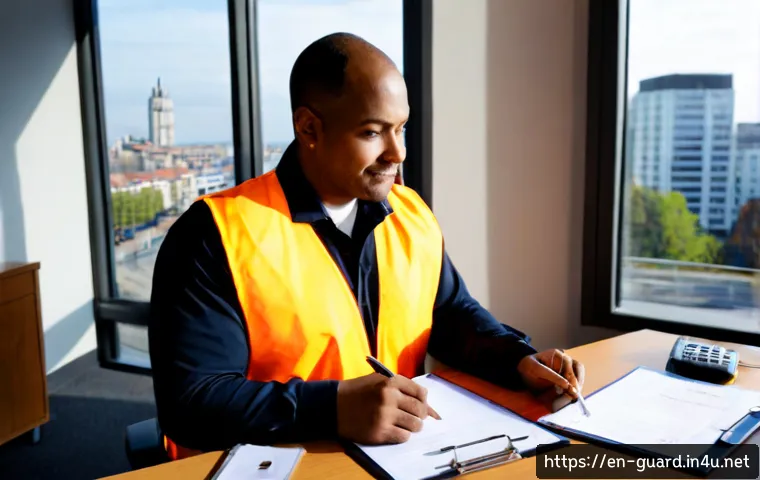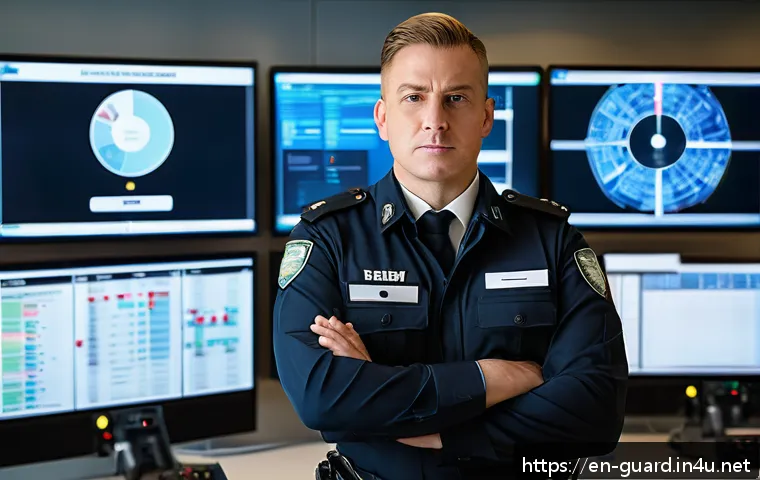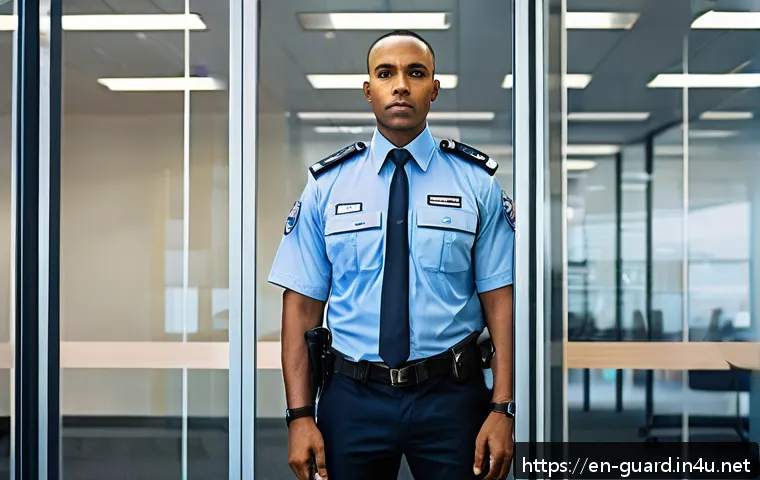
Starting a career as a security guard comes with a mix of excitement and countless questions. With evolving safety protocols and technology shaping the industry, it’s more important than ever to be well-prepared before stepping into the role.
Many trainees wonder about the challenges they’ll face, the skills they need to hone, and how to navigate real-life situations effectively. If you’re about to embark on this path, understanding these key concerns can make all the difference.
Let’s dive into the most common questions every security guard trainee asks, helping you feel confident and ready from day one.
Mastering the Essentials: What Every New Security Guard Should Know
Understanding Your Role Beyond the Uniform
Starting as a security guard, many expect the job to be straightforward—stand watch, report incidents, and keep an eye out. But the reality dives much deeper.
Your role is not just about presence; it’s about being a proactive problem solver. I remember during my first few shifts, I was surprised at how often I had to think on my feet—whether it was diffusing a tense situation or responding to an unexpected emergency.
Your responsibility stretches to preventing incidents before they happen, which means learning to read subtle cues and patterns is critical. This awareness can transform your approach from reactive to preventive, which is exactly what good security work demands.
Building Communication Skills That Matter
You might think physical presence is the main tool, but communication is equally important—if not more so. From my experience, clear, calm, and confident communication can de-escalate many situations before they escalate.
Whether you’re liaising with visitors, coworkers, or emergency responders, your ability to convey information succinctly and assertively makes a huge difference.
For example, in one scenario, calmly explaining a safety protocol to a frustrated visitor prevented what could have escalated into a confrontation. Practice active listening, be empathetic, and maintain professionalism at all times; these soft skills often define your effectiveness on the job.
Physical and Mental Preparedness: The Invisible Armor
Being physically fit is often emphasized, but mental readiness is just as crucial. Security work can be unpredictable and stressful. I found that staying mentally sharp—knowing your procedures, staying alert during long shifts, and managing stress—is what keeps you effective.
Simple habits like regular exercise, proper sleep, and mindfulness exercises can improve your focus tremendously. Also, familiarize yourself thoroughly with emergency protocols and equipment.
When you know your tools and procedures inside out, confidence naturally follows, making you better prepared to handle any challenge.
Decoding Common On-the-Job Challenges and How to Overcome Them
Dealing with Difficult People: Strategies That Work
Interacting with difficult individuals is part and parcel of security work. Whether it’s an irate visitor or someone violating rules, handling these interactions tactfully is key.
From what I’ve learned, staying calm and respectful while firmly enforcing rules works best. Avoid confrontation by using phrases like “I understand your concern, but…” instead of blunt refusals.
Also, knowing when to escalate a situation to supervisors or law enforcement is vital. Remember, your safety and the safety of others come first. Never hesitate to call for backup if you feel a situation is beyond your control.
Balancing Vigilance and Routine Tasks
One challenge I faced early on was maintaining alertness during routine patrols or long hours of monitoring cameras. It’s easy to zone out when nothing unusual happens, but that’s when mistakes can occur.
To keep yourself engaged, I found rotating tasks and taking short mental breaks helpful. For example, switching between patrols, checkpoint duties, and surveillance can keep your mind fresh.
Setting personal goals or checklists for each shift also gives a sense of purpose, helping you stay sharp and attentive throughout your watch.
Handling Emergencies Without Panic
Emergencies are the true test of your training and composure. I recall a situation where a fire alarm went off unexpectedly. Instead of panicking, I followed the evacuation protocol calmly, guided visitors safely, and coordinated with emergency responders.
Your training will cover procedures, but real-life situations can be unpredictable. Practicing drills, visualizing scenarios, and keeping emergency numbers handy can prepare you mentally.
Staying calm not only ensures your safety but also reassures those around you, making the difference between chaos and control.
Essential Skills and Certifications That Boost Your Career
Key Certifications That Employers Value
Certifications are more than just a formality—they’re proof of your capability and commitment. Beyond the basic licensing requirements, certifications in first aid, CPR, and conflict resolution greatly enhance your value.
When I added these to my portfolio, it opened doors to better assignments and increased trust from employers. Some companies also value specialized training like cybersecurity basics or crowd control techniques, especially in high-risk environments.
Investing time in these certifications not only improves your skills but also boosts your confidence and career prospects.
Technical Skills: Leveraging Security Technology
Modern security isn’t just about physical presence; technology plays a huge role. From CCTV systems to access control software, knowing how to operate and troubleshoot these tools is a huge asset.
Early on, I took the initiative to learn the surveillance system used at my workplace, which made my job easier and impressed my supervisors. Being tech-savvy helps you respond faster and more efficiently, especially when monitoring multiple areas.
Don’t hesitate to ask for training or spend time exploring the technology—it’s a skill set that will set you apart in this field.
Soft Skills That Complement Your Training
While certifications and tech know-how are important, soft skills like teamwork, patience, and adaptability are what make the difference in daily operations.
Security work often requires coordination with colleagues and other departments. For example, during a large event, I witnessed how seamless communication and cooperation prevented potential issues.
Developing emotional intelligence helps you handle stress and interact positively with diverse people. These qualities, combined with your technical skills, create a well-rounded professional who’s ready for anything.
Understanding Legal Boundaries and Ethical Responsibilities
Knowing Your Limits and Powers
It’s crucial to understand the legal framework surrounding your role. Many new guards are unsure about what actions they’re legally allowed to take. From personal experience, I learned early on that overstepping boundaries can lead to serious consequences—not just for the company but for your career as well.
Always stay informed about state laws and company policies regarding use of force, detainment, and privacy. When in doubt, err on the side of caution and consult your supervisors or legal advisors.
This knowledge protects you and ensures you perform your duties ethically and lawfully.
Ethical Conduct: Building Trust with the Community
Security guards are often the first line of interaction between the public and the organization they represent. Acting ethically isn’t just about following rules; it’s about building trust.
I’ve found that treating everyone with respect and fairness, regardless of the situation, earns respect and cooperation. Avoiding biases, maintaining confidentiality, and reporting honestly are fundamental.
This approach not only improves workplace morale but also enhances your reputation as a reliable professional.
Handling Confidential Information Responsibly
You’ll likely encounter sensitive information during your duties. Whether it’s access codes, personal data, or incident reports, protecting this information is critical.
Mishandling confidential data can have severe repercussions. I once had to remind a colleague about the importance of secure documentation, and it was a good lesson for all of us.
Use secure methods for storing and sharing information, and always follow company protocols. Respecting privacy builds trust within your organization and with clients.
Effective Strategies for On-the-Job Learning and Growth
Seeking Mentorship and Learning Opportunities
One of the best ways to grow is by learning from experienced colleagues. Early in my career, I actively sought mentorship, which accelerated my understanding of practical challenges and solutions.
Don’t hesitate to ask questions or request feedback. Many seasoned guards are happy to share their knowledge, and this informal learning complements formal training perfectly.
Participating in workshops and industry events also exposes you to new trends and techniques, keeping your skills sharp and current.
Documenting Your Experiences for Continuous Improvement
Keeping a personal log of incidents, challenges, and lessons learned can be incredibly valuable. I started journaling my daily experiences, which helped me identify patterns and areas for improvement.
Reviewing these notes before shifts or during training sessions makes your learning more intentional and focused. This habit also prepares you for performance reviews and can highlight your professional growth over time.
Balancing Work-Life to Sustain Your Career
Security work can be demanding, often involving irregular hours or night shifts. Managing your personal life alongside your job is essential to avoid burnout.
I found setting clear boundaries and maintaining hobbies outside of work helped me recharge. Prioritize sleep, nutrition, and social connections, as they directly impact your performance and mental health.
A balanced lifestyle supports long-term success and satisfaction in this challenging yet rewarding career.
Comparing Security Guard Roles: What to Expect Across Different Settings
| Security Setting | Typical Duties | Skills Emphasized | Common Challenges |
|---|---|---|---|
| Corporate Buildings | Access control, visitor screening, surveillance monitoring | Communication, technology proficiency, professionalism | Managing high visitor volume, confidentiality |
| Retail Stores | Theft prevention, customer assistance, emergency response | Conflict resolution, vigilance, customer service | Dealing with shoplifters, crowded environments |
| Event Venues | Crowd control, entry checks, emergency evacuation | Team coordination, quick decision-making, physical fitness | Managing large crowds, unpredictable incidents |
| Residential Complexes | Patrols, resident assistance, incident reporting | Interpersonal skills, observation, patience | Balancing security with community relations |
| Healthcare Facilities | Access control, patient safety, emergency coordination | Calm under pressure, empathy, knowledge of protocols | Handling sensitive situations, medical emergencies |
Adapting Your Approach Based on Environment
Each setting demands a slightly different approach. For example, working in a hospital requires more empathy and calmness, while event security demands physical stamina and rapid crowd management skills.
Being flexible and understanding the nuances of your work environment ensures you perform optimally and gain respect from peers and supervisors alike.
Exploring Career Advancement Opportunities
Understanding the distinctions between roles helps you plan your career path. Starting in retail security might lead to supervisory roles in corporate or event security, while healthcare security can open doors to specialized safety coordination.
Knowing where you want to go helps you target the right skills and certifications, making your career journey both purposeful and rewarding.
In Closing
Becoming a skilled security guard goes beyond wearing a uniform; it requires dedication, sharp judgment, and continuous learning. By embracing both the technical and interpersonal aspects of the job, you can build a rewarding and successful career. Remember, your role is vital in maintaining safety and trust in any environment you serve.
Helpful Tips to Remember
1. Always stay alert and proactive to prevent incidents before they occur.
2. Develop strong communication skills to manage difficult situations calmly and effectively.
3. Prioritize both physical fitness and mental preparedness to handle the demands of the job.
4. Keep your certifications updated and learn to leverage modern security technology.
5. Maintain ethical standards and understand your legal boundaries to protect yourself and others.
Key Takeaways
Understanding the full scope of your responsibilities, from legal limits to ethical conduct, is essential for your success as a security professional. Balancing vigilance with effective communication and ongoing personal development will enhance your performance and reputation. Always seek growth opportunities and adapt your approach to fit the specific environment you work in, ensuring both safety and professionalism at every turn.
Frequently Asked Questions (FAQ) 📖
Q: What are the most important skills I need to develop as a security guard?
A: From my experience, the top skills are keen observation, effective communication, and quick decision-making. You’ll often find yourself needing to notice subtle changes in your environment and report them clearly.
Being able to stay calm under pressure and handle conflicts diplomatically really sets apart a good guard from a great one. Also, physical fitness helps, but mental alertness is key—you’re the first line of defense, so staying sharp matters most.
Q: How do I handle a situation where someone refuses to cooperate or becomes aggressive?
A: This is a common challenge, and I’ve faced it quite a few times on the job. The best approach is to stay calm and avoid escalating the situation. Use a firm but respectful tone, clearly explain your role and the rules, and try to de-escalate by listening.
If the person becomes aggressive, it’s crucial to prioritize your safety and call for backup or law enforcement if needed. Training in conflict resolution and self-defense can be a lifesaver here, so I recommend practicing those skills regularly.
Q: What can I expect during my first few weeks on the job?
A: The first weeks are a mix of learning, adapting, and sometimes feeling overwhelmed. You’ll get familiar with the site’s layout, emergency procedures, and how to operate any technology like CCTV or access control systems.
It’s normal to feel a bit nervous, but the key is to ask questions and learn from more experienced guards. Personally, I found that staying observant and taking notes helped me build confidence quickly.
Remember, every shift brings new scenarios, so be patient with yourself as you gain real-world experience.