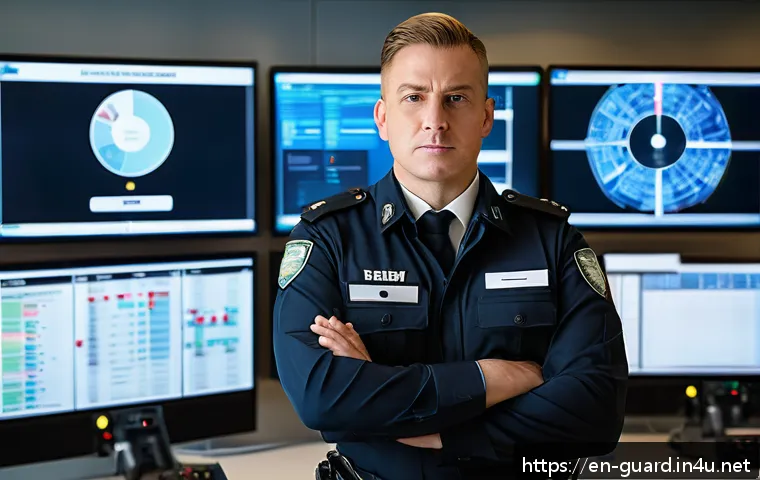
In today’s fast-paced world, job security and meaningful work have become top priorities for many. The role of a security officer is often overlooked, yet it offers unique opportunities that align perfectly with current market demands.

As safety concerns rise and businesses seek reliable protection, this career path stands out not just for stability but also for personal growth and skill development.
If you’ve ever wondered why more people are choosing this profession, you’re about to discover some surprising benefits that make it truly rewarding. Stick around to learn how becoming a security officer could be the game-changer in your career journey.
The Dynamic Nature of Security Work
Adapting to Various Environments
Security officers rarely find themselves stuck in a monotonous routine. One day you might be stationed at a bustling corporate office, and the next, at a high-profile event or a quiet residential complex.
This variety keeps the job engaging and constantly challenges you to adjust your approach based on the environment and client needs. From managing crowds to monitoring surveillance systems, the dynamic nature of the work sharpens your observational skills and situational awareness, which are valuable both on and off the job.
Learning Through Real-Life Scenarios
Unlike many desk jobs, security work throws you into real-life situations where quick thinking and calm decision-making matter. Whether it’s de-escalating conflicts, responding to alarms, or coordinating with emergency services, every shift offers a chance to develop critical problem-solving skills.
This hands-on experience builds confidence and teaches you how to remain composed under pressure — traits that extend beyond the workplace and into everyday life.
Building Resilience and Mental Toughness
The unpredictable nature of security roles means you often face high-stress situations. Over time, this helps build resilience and mental toughness. Personally, I’ve noticed that handling tense moments while maintaining professionalism has improved my ability to manage stress in other areas.
This emotional strength is a hidden benefit many overlook but is fundamental to personal growth in this line of work.
Paths to Career Advancement and Specialization
Certification Opens Doors
Gaining recognized certifications, such as those offered by professional security organizations, can be a game-changer. They not only validate your skills but also open up higher-paying roles and leadership opportunities.
Many security officers start with basic qualifications and then specialize in areas like cybersecurity, executive protection, or investigation, each offering unique challenges and rewards.
Leadership and Management Opportunities
For those who enjoy leading teams, security offers a clear progression path. Starting as a frontline officer, you can move up to supervisor or manager roles where you oversee operations, train new personnel, and develop safety protocols.
These positions demand strong communication and organizational skills, turning your experience into valuable leadership expertise.
Transferable Skills for Diverse Careers
The skills developed in security — critical thinking, risk assessment, communication — are highly transferable. Many former security officers transition into law enforcement, emergency management, or even corporate risk management.
This flexibility means your career can evolve in multiple directions without starting over, making it a smart investment in your professional future.
Financial and Work-Life Balance Benefits
Competitive Pay and Benefits
Security positions often come with competitive hourly wages, especially in urban areas or specialized sectors like healthcare and finance. Beyond base pay, many companies offer benefits such as health insurance, retirement plans, and paid time off.
These perks add financial stability, which is a huge draw for anyone seeking a dependable income source.
Flexible Scheduling Options
One of the underrated perks is the flexibility in scheduling. Many security roles provide options for part-time, night shifts, or weekend work, which can be ideal for students, parents, or those balancing multiple jobs.
Personally, I’ve found that being able to choose shifts that fit my lifestyle significantly reduces burnout and improves job satisfaction.
Overtime and Incentives
In periods of high demand, overtime pay can substantially boost your earnings. Some employers also offer incentives for performance, attendance, or obtaining additional certifications.
This structure motivates you to enhance your skills and commitment, which in turn benefits your wallet and career trajectory.
Enhancing Personal Safety Awareness
Developing Situational Awareness
Working as a security officer naturally hones your ability to notice subtle changes and potential threats in your surroundings. This heightened situational awareness not only helps keep others safe but also protects you in daily life.
I’ve found that this skill extends to spotting hazards in unfamiliar places or avoiding risky situations before they escalate.
Learning Self-Defense Techniques
Many security roles include training in self-defense or conflict de-escalation tactics. This knowledge equips you with practical tools to protect yourself and others, increasing your confidence in potentially dangerous situations.
It’s empowering to know you have the skills to act decisively if needed.
Understanding Emergency Protocols

Security officers often become experts in emergency response procedures, from fire drills to medical emergencies. This expertise is invaluable and transferable, allowing you to assist effectively in crises whether at work, home, or in public spaces.
Personally, I’ve felt more prepared and less anxious knowing exactly what steps to take when emergencies arise.
Technology Integration in Security Roles
Mastering Surveillance Systems
Modern security heavily relies on technology, with officers frequently using CCTV, access control systems, and alarm monitoring software. Becoming proficient in these tools is a major asset, as technology continues to evolve and enhance security operations.
This tech-savviness also opens doors to careers in electronic security or cybersecurity.
Utilizing Communication Devices
Effective communication is vital in security work, and officers often use radios, mobile apps, and other devices to coordinate with team members and emergency responders.
Learning to operate these systems efficiently improves response times and safety outcomes, and it’s a skill that’s highly valued in many industries.
Data Handling and Reporting
Security officers are responsible for documenting incidents accurately and maintaining logs. This attention to detail and ability to produce clear reports sharpens administrative skills and can lead to specialized roles involving data analysis or compliance monitoring.
These capabilities enhance your professional profile significantly.
Community Impact and Relationship Building
Serving as a Trusted Presence
Security officers often become familiar, trusted figures within the communities they protect. Their visible presence can deter crime and provide reassurance to residents or employees.
This role fosters a sense of pride and purpose, knowing you contribute directly to people’s safety and well-being.
Building Strong Interpersonal Skills
Daily interactions with diverse groups — from visitors to law enforcement — help develop empathy, conflict resolution, and communication skills. These interpersonal abilities are invaluable and enhance your effectiveness in both professional and personal relationships.
Collaborating with Local Authorities
Security officers frequently liaise with police, fire departments, and emergency medical teams. This collaboration builds professional networks and insights into public safety systems, which can be instrumental if you decide to pursue related careers or community service roles.
Summary of Key Benefits
| Benefit | Description | Personal Insight |
|---|---|---|
| Variety of Work Environments | Exposure to diverse settings from corporate to event security keeps the role engaging. | Kept me sharp and adaptable, avoiding burnout from monotony. |
| Career Growth Opportunities | Paths to specialization and leadership through certifications and experience. | Opened doors for promotions and new skill acquisition. |
| Financial Stability | Competitive pay, benefits, and overtime options provide steady income. | Flexible scheduling helped balance work and personal life effectively. |
| Enhanced Personal Safety | Training in situational awareness and self-defense builds confidence. | Increased my ability to handle emergencies calmly and effectively. |
| Tech Skills Development | Use of surveillance and communication tech is integral and career-enhancing. | Boosted my tech proficiency, useful beyond security roles. |
| Community Connection | Building trust and cooperation with the public and authorities. | Fostered a sense of pride and meaningful contribution. |
In Conclusion
Security work is a dynamic and rewarding field that offers continuous learning and growth opportunities. The variety of environments and challenges keeps the role engaging, while the skills gained extend far beyond the job itself. Whether you’re seeking career advancement, financial stability, or personal development, a career in security can provide a strong foundation for success.
Useful Information to Know
1. Certifications significantly enhance your career prospects and open doors to specialized roles.
2. Flexible scheduling options make security work ideal for balancing personal commitments.
3. Developing situational awareness and self-defense skills improves both professional performance and personal safety.
4. Proficiency with modern security technology is increasingly important and valuable across industries.
5. Building strong relationships with the community and local authorities enriches your role and impact.
Key Takeaways
Security roles demand adaptability and offer diverse work settings that keep the job interesting and challenging. Career growth is supported through certifications and leadership opportunities, while competitive pay and flexible hours provide financial and lifestyle benefits. Additionally, the development of critical safety and tech skills alongside community engagement enhances both professional and personal life, making security work a well-rounded and fulfilling career choice.
Frequently Asked Questions (FAQ) 📖
Q: uestionsQ1: What kind of job stability can I expect as a security officer?
A: Security officer roles tend to offer solid job stability because safety and protection are ongoing priorities across industries. From corporate offices to healthcare facilities, demand for security personnel remains steady, especially as businesses face increasing safety challenges.
In my experience, once you gain some tenure and certifications, employers value your reliability, making it easier to maintain long-term employment or advance within the field.
Q: How does working as a security officer contribute to personal growth and skill development?
A: Being a security officer isn’t just about standing guard; it actively develops critical skills like situational awareness, communication, and conflict resolution.
Personally, I found that handling real-life scenarios sharpened my decision-making and stress management abilities. Plus, many employers offer training in emergency response, technology use, and legal knowledge, which can open doors to other career paths later on.
Q: Are there opportunities for career advancement in the security field?
A: Absolutely. Starting as a security officer can lead to supervisory roles, specialized positions like cybersecurity or investigations, and even management within security departments.
From my observations, those who take initiative to pursue additional certifications and leadership training often move up faster. The field rewards dedication and continuous learning, which makes it a viable long-term career option.