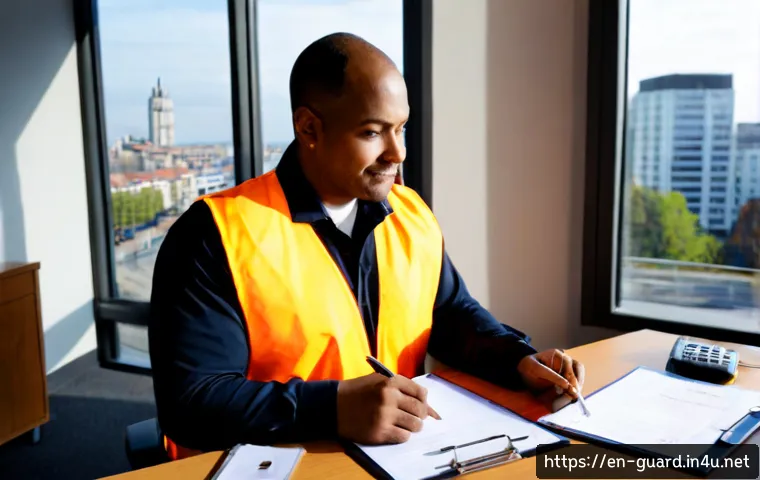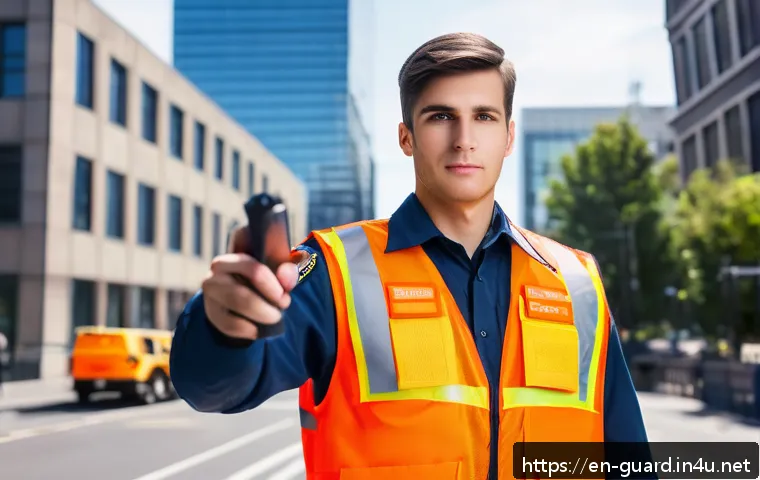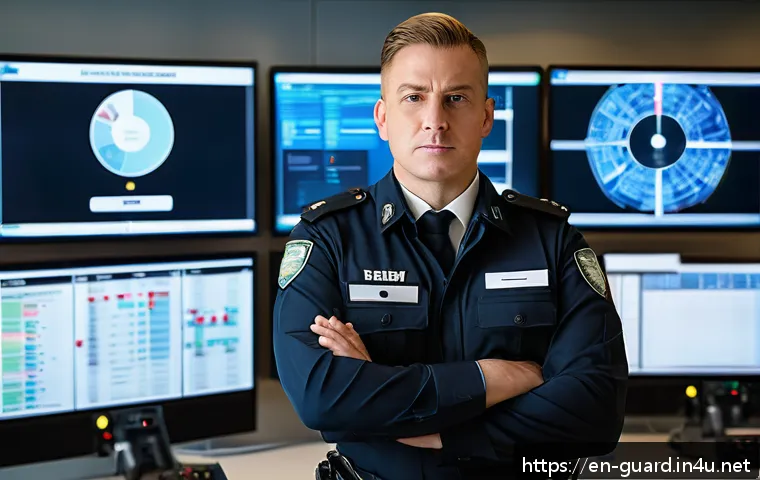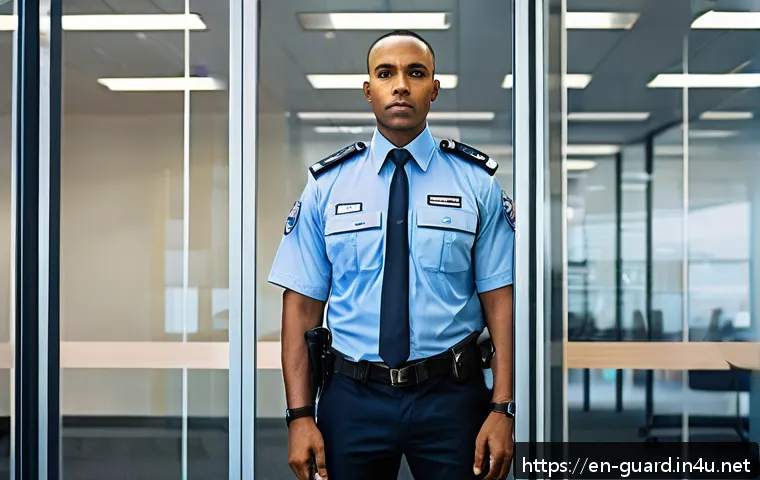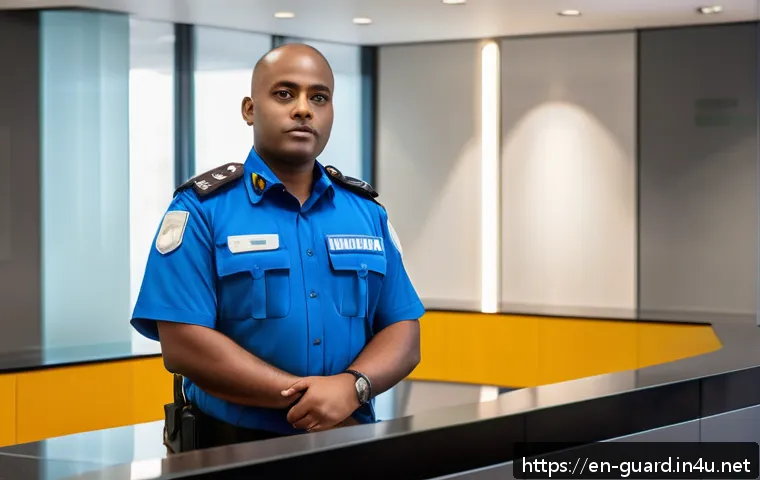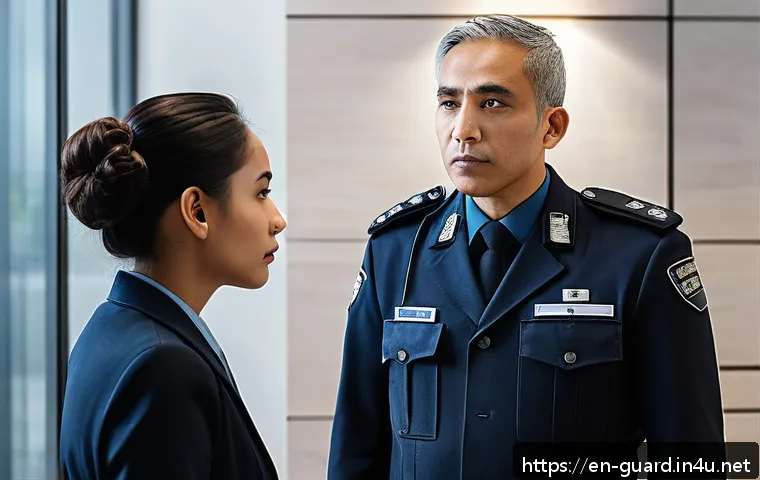
In today’s fast-paced security landscape, the ability to communicate effectively is more crucial than ever. With rising demands for professionalism and quick problem-solving, security officers must go beyond traditional vigilance to truly connect with clients.
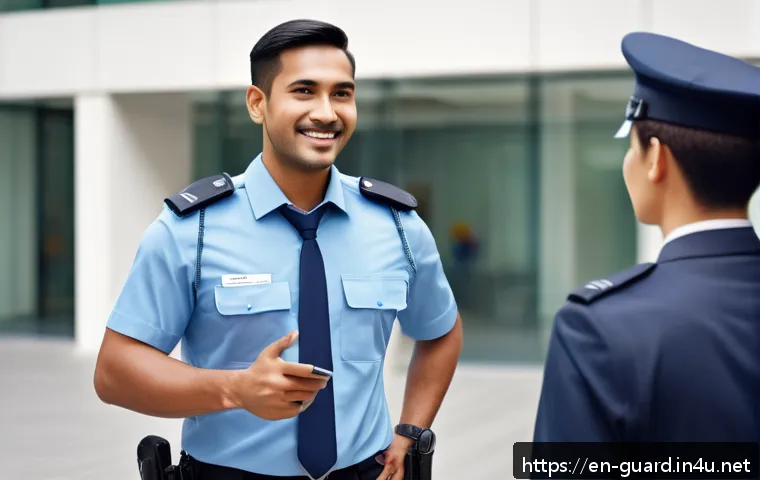
Whether it’s managing tense situations or providing clear information, mastering client interaction can make all the difference. I’ve seen firsthand how refining these skills not only improves safety but also builds trust and confidence.
Let’s dive into why every security officer should prioritize client communication to excel in their role.
Building Genuine Connections Through Active Listening
Understanding Client Needs Beyond Words
Security officers often face situations where clients may not explicitly state their concerns. From my experience, truly effective communication starts with active listening—catching not just the words but the emotions behind them.
When a visitor approaches with anxiety or frustration, I’ve found that pausing to acknowledge their feelings before jumping into solutions can completely change the interaction’s tone.
It’s about reading between the lines and offering reassurance that you’re genuinely there to help. This subtle skill builds trust quickly and opens the door for clearer, more productive conversations.
Techniques to Show You’re Fully Present
It’s tempting to get distracted by surroundings or tasks, but maintaining eye contact, nodding at key moments, and using verbal affirmations like “I see” or “That makes sense” signal to clients that their concerns are heard.
I remember a night shift where a visitor was upset about delayed access. By simply repeating back what they said and confirming details, the tension eased noticeably.
These small gestures may seem basic, but they dramatically improve rapport and de-escalate potential conflicts before they escalate.
Overcoming Barriers in Communication
Sometimes language differences or stress make understanding harder. I’ve encountered clients who spoke limited English or were visibly shaken. In those moments, patience and simplifying explanations without sounding condescending is key.
Using gestures, clear signage, or even a calm tone can bridge gaps. It’s about adapting your communication style in real-time. This flexibility not only solves problems faster but also demonstrates professionalism and empathy, two qualities clients deeply appreciate in security personnel.
Mastering Nonverbal Signals to Enhance Authority and Approachability
The Power of Body Language in Security Roles
Body language speaks volumes, often more than words. From my observations, standing tall with shoulders back projects confidence and control, reassuring clients that the situation is under supervision.
On the other hand, crossed arms or avoiding eye contact can unintentionally signal disinterest or hostility. Finding a balance between authority and openness through posture and gestures encourages clients to approach you comfortably, which is essential for effective communication.
Facial Expressions That Build Trust
A simple, genuine smile can break down walls instantly. I’ve noticed that when I greet visitors with warmth, even in stressful scenarios, their demeanor softens.
Mirroring clients’ expressions—such as showing concern when they’re worried—creates an unspoken bond. This empathetic connection often leads to smoother interactions and quicker resolutions.
Being aware of your facial cues and adjusting them to the context is a subtle but powerful tool in your communication arsenal.
Using Space and Proximity Wisely
Respecting personal space is crucial. Standing too close can intimidate, while being too distant might feel disengaged. I’ve learned to gauge the appropriate distance based on the situation and client’s body language.
For example, during a tense discussion, maintaining a respectful gap helps keep the atmosphere calm. Conversely, in routine check-ins, a closer stance can feel more personable.
Mastering this spatial awareness not only enhances comfort but also reinforces your role as a professional protector.
Communicating Clearly Under Pressure
Keeping Calm and Speaking with Clarity
Under pressure, nerves can make communication falter. I’ve been in emergency situations where speaking calmly and clearly was the difference between chaos and order.
Using short, direct sentences helps avoid confusion. For instance, instructing a crowd during an evacuation requires concise language without jargon. Practicing this clarity in daily interactions makes it second nature when urgency hits, ensuring clients receive and follow your directions promptly.
Managing Emotional Responses Effectively
When clients are upset or aggressive, mirroring their intensity only escalates conflict. Instead, I remind myself to stay composed and lower my voice slightly, which often encourages them to do the same.
Acknowledging their emotions verbally—like saying “I understand this is frustrating”—validates their feelings without endorsing negative behavior. This approach has helped me diffuse tense moments multiple times, turning potential confrontations into cooperative problem-solving.
Using Visual Aids and Written Communication
Sometimes spoken words aren’t enough, especially in noisy environments or with diverse audiences. I’ve found that having clear signage, handouts, or digital displays can reinforce messages effectively.
When explaining complex procedures or rules, supplementing speech with visuals improves understanding and retention. This layered communication approach reduces misunderstandings and shows professionalism, making clients feel well-informed and respected.
Adapting Communication Styles to Different Client Types
Engaging with Visitors and Guests
Visitors often need reassurance and guidance, especially in unfamiliar settings. From my experience, a friendly tone combined with helpful information instantly puts them at ease.
Simple phrases like “Let me show you the way” or “If you have any questions, just ask” create a welcoming atmosphere. Taking extra time to listen to their concerns or curiosities also leaves a positive impression, encouraging them to view security staff as approachable allies rather than mere enforcers.
Interacting with Staff and Management
When communicating with colleagues or supervisors, clarity and professionalism are paramount. I make it a point to provide concise updates and ask clarifying questions to avoid misunderstandings.
Using industry-specific terminology appropriately demonstrates expertise and fosters respect. Maintaining open lines of communication with internal teams also ensures that client concerns are addressed promptly, creating a seamless security operation that clients can trust.
Handling Difficult or Distracted Individuals
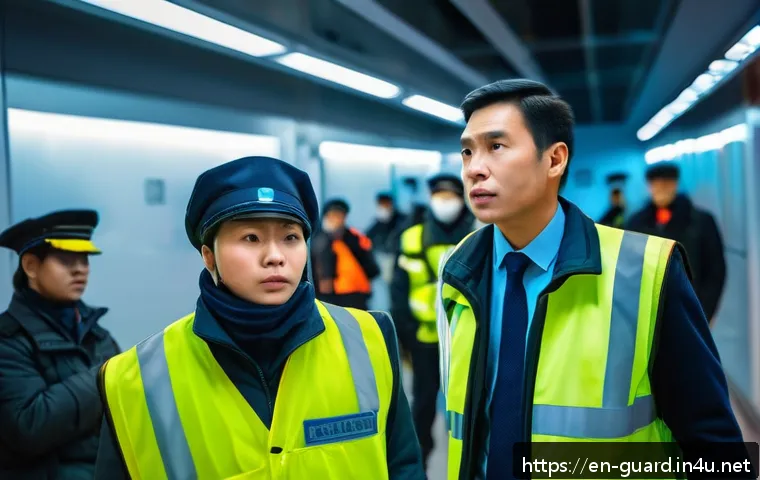
Not all clients are cooperative. Some may be distracted, intoxicated, or intentionally uncooperative. In these cases, patience and firmness must coexist.
I’ve learned that setting clear boundaries politely but assertively, while avoiding confrontational language, helps maintain control without escalating tension.
Offering alternatives or compromises when possible also shows flexibility, making it easier to guide difficult clients toward safer behaviors without unnecessary conflict.
Leveraging Technology to Support Communication
Using Mobile Devices and Communication Tools Effectively
Modern security roles often involve using radios, smartphones, or tablets to relay information quickly. I’ve noticed that mastering these tools improves not only internal coordination but also client interactions.
For example, quickly accessing building maps or visitor logs on a device allows me to answer questions accurately on the spot. Being proficient with technology reduces delays and projects competence, which reassures clients that the security team is well-prepared and responsive.
Integrating Surveillance and Monitoring for Proactive Communication
Surveillance systems provide vital information that can preemptively address client concerns. When I spot unusual activity on cameras, informing clients or management promptly prevents issues from escalating.
This proactive communication shows attentiveness and dedication to safety. Explaining how these technologies protect the premises also educates clients, fostering trust in the security infrastructure and the personnel managing it.
Training and Continuous Improvement Through Digital Platforms
Online training modules and communication apps offer ongoing opportunities to refine skills. I personally use these resources to stay updated on best practices and new communication techniques.
Sharing insights with team members via messaging platforms enhances overall performance and consistency. Embracing technology for professional development not only boosts individual confidence but also raises the security service’s quality, benefiting every client interaction.
Key Communication Practices That Enhance Client Satisfaction
Consistency in Messaging and Behavior
Clients appreciate when security officers maintain consistent language and demeanor. I’ve observed that switching between overly casual and formal tones confuses people and undermines authority.
Sticking to a professional yet approachable style establishes clear expectations and builds credibility. This consistency reassures clients that security staff are reliable and predictable, important traits in high-stress or unfamiliar situations.
Following Up and Providing Feedback Loops
After resolving an issue, I make it a habit to check back with clients or colleagues to confirm satisfaction. This follow-up shows genuine care and closes the communication loop effectively.
I recall a case where a visitor’s complaint about access delays was resolved, but a quick follow-up call to apologize and explain changes made a lasting positive impression.
Simple gestures like this foster loyalty and demonstrate accountability.
Documenting Interactions for Accountability
Accurate documentation of conversations and incidents supports transparency and protects all parties involved. I keep detailed logs of client interactions, noting concerns raised and actions taken.
This practice has proven invaluable during audits or when clarifying misunderstandings later. Clear records also help identify patterns and training needs, ensuring continuous improvement in communication and service quality.
| Communication Aspect | Best Practices | Impact on Client Relations |
|---|---|---|
| Active Listening | Fully focus on client, acknowledge feelings, confirm understanding | Builds trust, reduces misunderstandings, fosters cooperation |
| Nonverbal Signals | Maintain eye contact, open posture, genuine facial expressions | Enhances approachability, establishes authority, eases tension |
| Clear Verbal Communication | Use concise language, calm tone, repeat key points | Improves clarity, speeds resolution, decreases conflict |
| Adaptability | Adjust style based on client type and situation | Increases effectiveness, respects diversity, boosts professionalism |
| Technology Use | Leverage devices for quick info, training, and monitoring | Enhances responsiveness, supports proactive safety, builds confidence |
| Follow-up and Documentation | Check client satisfaction, keep detailed logs | Demonstrates accountability, strengthens relationships, aids improvement |
Closing Thoughts
Effective communication is the cornerstone of successful security operations. By actively listening, reading nonverbal cues, and adapting to each client’s needs, security officers can build trust and resolve issues smoothly. Embracing technology and maintaining professionalism further enhance these interactions. Ultimately, genuine connection and clear communication create a safer, more welcoming environment for everyone involved.
Helpful Information to Keep in Mind
1. Active listening involves not just hearing words but understanding emotions, which fosters trust and cooperation.
2. Nonverbal signals like eye contact and open posture are powerful tools that balance authority with approachability.
3. Clear, calm verbal communication helps prevent misunderstandings and speeds up conflict resolution.
4. Tailoring communication styles to different client types ensures respect and effectiveness in diverse situations.
5. Utilizing technology for quick information access and ongoing training strengthens responsiveness and professionalism.
Key Takeaways
Consistent, empathetic communication is essential for building positive client relationships in security roles. Being fully present and using clear language reduces tension and confusion. Flexibility in approach, supported by technology and proper documentation, leads to better outcomes and accountability. Security officers who master these skills not only enhance safety but also earn lasting trust and respect from those they serve.
Frequently Asked Questions (FAQ) 📖
Q: uestionsQ1: Why is effective communication so important for security officers in today’s environment?
A: In the fast-paced and often high-pressure world of security, clear communication helps prevent misunderstandings that could escalate situations. It enables officers to convey important information quickly and calmly, which can de-escalate tension and foster cooperation.
From my experience, when officers communicate well with clients, it builds trust and makes everyone feel safer, which is essential for both preventing incidents and managing them effectively.
Q: How can security officers improve their client interaction skills?
A: Improving client interaction starts with active listening and empathy—really understanding the client’s concerns and responding thoughtfully. Practicing clear and concise speech, maintaining a calm tone, and using positive body language also make a huge difference.
I’ve noticed that role-playing different scenarios during training helps officers gain confidence. Additionally, staying patient and respectful, even under stress, turns challenging encounters into opportunities to build rapport.
Q: What impact does strong client communication have on overall security performance?
A: Strong communication doesn’t just enhance the client’s experience; it directly improves security outcomes. When clients feel heard and understood, they’re more likely to cooperate and follow instructions promptly.
This cooperation reduces confusion and speeds up incident resolution. Personally, I’ve seen that teams who prioritize communication handle emergencies more smoothly and create a safer environment, which ultimately reflects positively on the entire security operation.