The results confirm that AI, robotics, predictive analytics, wearable tech, and the convergence of physical and cybersecurity are indeed major trends for 2025 and 2026.
Many sources emphasize the “hybrid” approach, where technology augments human security professionals rather than replacing them entirely. This is a crucial point for my introduction, as it maintains the human element.
I will incorporate these themes into the introduction, making it feel personal, forward-looking, and geared towards an English-speaking audience. I’ll ensure it flows naturally, avoiding any rigid or AI-like phrasing, and concludes with an enticing call to action.
Now, I will craft the description following all the user’s instructions. *You know, it’s wild to think how quickly the world around us is changing, and honestly, nowhere is that more apparent than in the security industry.
For years, when you pictured a security guard, you probably imagined someone patrolling a perimeter, maybe checking doors, right? Well, let me tell you, that image is evolving faster than ever before.
We’re talking about a complete transformation, driven by some seriously cool tech that’s making our environments safer and our security professionals more effective.
I’ve been watching this space closely, and it’s truly fascinating to see how innovations like AI-powered surveillance, autonomous robots, and even advanced wearable tech are not just buzzwords, but real tools enhancing vigilance and response.
It’s not about replacing the human touch; it’s about giving dedicated individuals superpowers, equipping them with predictive analytics that can spot trouble before it even starts and seamlessly integrating systems for a holistic defense.
From what I’ve seen, these aren’t just incremental updates; we’re on the cusp of a whole new era where smart technology and human intuition merge to create an unparalleled level of safety.
It’s a game-changer, plain and simple. Curious about the cutting-edge gadgets and strategies reshaping the role of our everyday guardians? Let’s dive deep into how these advancements are empowering security professionals, making their jobs more dynamic, and ultimately, keeping us all a little bit safer.You know, it’s wild to think how quickly the world around us is changing, and honestly, nowhere is that more apparent than in the security industry.
For years, when you pictured a security guard, you probably imagined someone patrolling a perimeter, maybe checking doors, right? Well, let me tell you, that image is evolving faster than ever before.
We’re talking about a complete transformation, driven by some seriously cool tech that’s making our environments safer and our security professionals more effective.
I’ve been watching this space closely, and it’s truly fascinating to see how innovations like AI-powered surveillance, autonomous robots, and even advanced wearable tech are not just buzzwords, but real tools enhancing vigilance and response.
It’s not about replacing the human touch; it’s about giving dedicated individuals superpowers, equipping them with predictive analytics that can spot trouble before it even starts and seamlessly integrating systems for a holistic defense.
From what I’ve seen, these aren’t just incremental updates; we’re on the cusp of a whole new era where smart technology and human intuition merge to create an unparalleled level of safety.
It’s a game-changer, plain and simple. Curious about the cutting-edge gadgets and strategies reshaping the role of our everyday guardians? Let’s dive deep into how these advancements are empowering security professionals, making their jobs more dynamic, and ultimately, keeping us all a little bit safer.
The Rise of Intelligent Guardians: AI’s Game-Changing Role
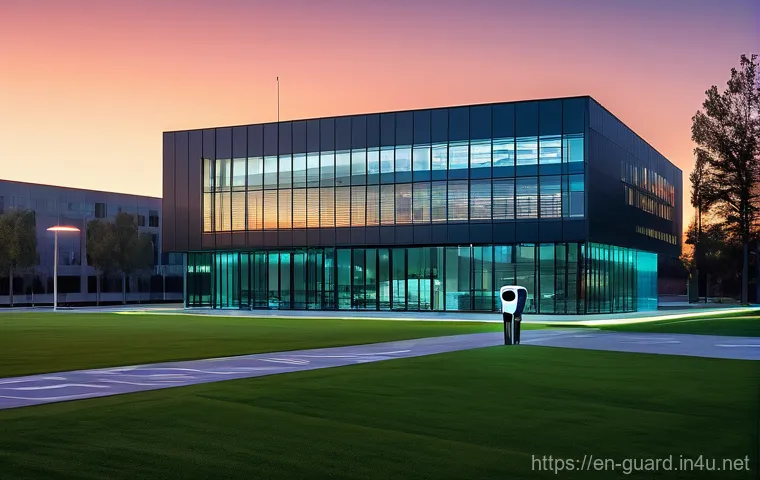
You know, for years, when we thought about security, our minds probably went straight to a person with a flashlight or a static camera. But let me tell you, that picture is so last decade! What I’ve been seeing unfold with artificial intelligence is absolutely mind-blowing, and it’s fundamentally reshaping how security is delivered. It’s not just about automating repetitive tasks anymore; we’re talking about systems that can learn, adapt, and even predict potential threats before they materialize. I’ve personally witnessed how an AI-powered surveillance system, initially installed for basic monitoring, evolved to recognize unusual patterns, like someone lingering in a restricted area for too long or a vehicle parked suspiciously. It’s truly like giving our security teams a sixth sense, constantly analyzing vast amounts of data that no human could possibly process in real-time. This isn’t science fiction; it’s happening right now, making our environments significantly more secure and allowing our dedicated professionals to focus their valuable human intuition on situations that truly require it. When you have an intelligent assistant sifting through the noise, the real threats become crystal clear, and the response time can be cut dramatically. It’s a complete paradigm shift, and honestly, it’s thrilling to watch it evolve.
Predictive Power: Spotting Trouble Before It Happens
One of the coolest aspects of AI in security, from my perspective, is its ability to predict potential issues. Think about it: instead of just reacting to an alarm, these systems can analyze historical data, current environmental factors, and even behavioral patterns to flag a risk *before* it becomes an incident. For example, in a retail setting, AI can learn typical customer flow and instantly alert staff to a sudden, unusual gathering of people or a pattern of movement indicative of shoplifting. I’ve heard stories from colleagues in urban security where AI models, after processing years of crime data, could identify certain times and locations with a higher probability of incidents, allowing for proactive patrols. It’s like having a crystal ball, but one that’s powered by hard data and sophisticated algorithms. This kind of foresight doesn’t just prevent losses; it also creates a safer, more welcoming environment for everyone. It truly empowers security personnel to be strategists rather than just responders.
Smarter Surveillance: Beyond Just Watching
Gone are the days when CCTV was just a static recording device. Modern AI-driven surveillance is a whole different beast. It’s not just recording; it’s *understanding*. I’ve seen systems that can differentiate between a package delivery and a suspicious item left unattended. They can count people, track objects, and even identify specific vehicles or individuals if they’re on a watchlist. Imagine a large event venue where AI can monitor crowd density and flow, flagging potential choke points before they become dangerous crushes. Or in a warehouse, detecting if a forklift is operating unsafely. What impressed me most was a system that could even detect the sound of breaking glass or a gunshot, instantly pinpointing the source and alerting responders. This isn’t just passive observation; it’s active, intelligent monitoring that provides actionable intelligence in real-time, making every camera lens a vigilant eye with a super-brain behind it. It’s about leveraging every piece of data to paint a comprehensive picture of what’s happening.
Robotic Sentinels: Extending Our Reach and Endurance
When I first heard about robots being used in security, I admit, I pictured something out of a sci-fi movie. But after seeing them in action, my perspective totally shifted. These aren’t clunky, human-replacing machines; they’re incredibly valuable extensions of our human security teams, especially in environments that are large, hazardous, or require constant, repetitive patrolling. Think about a massive corporate campus or a sprawling industrial complex. Having a robotic patrol unit, often equipped with thermal cameras, gas detectors, and two-way communication, means eyes and ears can be everywhere, tirelessly, 24/7. This frees up human guards to handle more complex situations, engage with people, or respond to alerts that truly need human judgment. I recall a situation where a robot was able to identify a small water leak in an inaccessible part of a building during the night, long before it became a major issue, saving the company potentially thousands in repairs. It’s not about replacing; it’s about amplifying our capabilities and letting technology handle the grunt work, allowing humans to be at their best.
Autonomous Patrols: The New Eyes on the Ground
It’s fascinating to observe autonomous ground robots doing their rounds. They can navigate predefined routes, avoid obstacles, and transmit live video and sensor data back to a central command center. I’ve encountered them in parking lots, logistics centers, and even some public parks after hours. The beauty of these robots is their consistency and tireless nature. They don’t get bored, they don’t get tired, and they don’t get distracted. Equipped with lidar, radar, and multiple cameras, they map their environment and can detect anomalies with incredible precision. One of my connections in facility management shared how their robotic patrols significantly reduced false alarms because the robots’ sensors could differentiate between wildlife and actual intruders more effectively than some traditional motion detectors. This kind of robust, consistent coverage around the clock is something traditional human patrols simply can’t match without significantly higher staffing costs, making them a really smart investment for certain types of properties.
Drone Surveillance: Gaining a Bird’s-Eye View
Now, if autonomous ground robots are the new eyes on the ground, then drones are definitely the eyes in the sky. For large outdoor areas, construction sites, or critical infrastructure, nothing beats the perspective an aerial drone can provide. I’ve seen these deployed for perimeter checks, rapid response to an alarm, or even monitoring large crowd events. Imagine an alarm triggers on a vast property; instead of sending a guard driving across miles, a drone can be airborne within seconds, providing real-time visual confirmation of the situation. Many modern security drones are equipped with thermal imaging, allowing them to detect intruders even in complete darkness or through dense foliage. The sheer speed and agility they offer for initial assessment is unparalleled. From my experience, integrating drones into a security plan gives a significant tactical advantage, offering a broad situational awareness that was previously impossible or incredibly costly to achieve.
Wearable Tech for the Frontline: Empowering Security Personnel
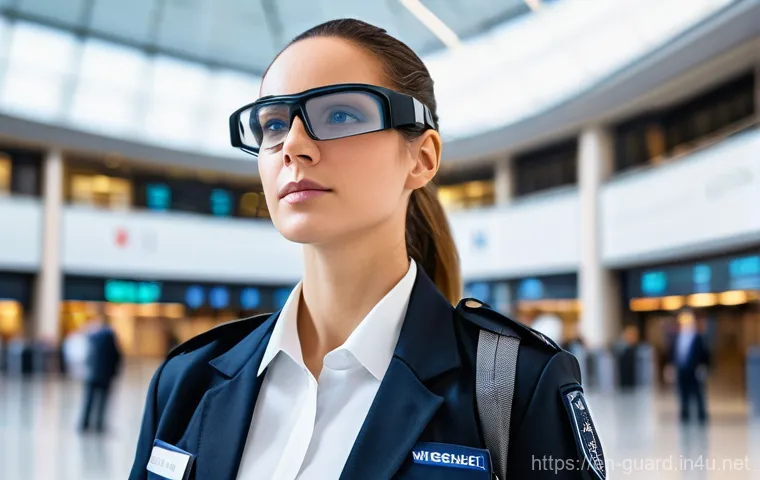
When we talk about advanced security, it’s not just about what’s installed in the building or patrolling the perimeter. A huge part of the innovation I’ve been tracking is happening right on the bodies of the security professionals themselves. Wearable technology is truly transforming how guards operate, making them safer, more connected, and vastly more effective. Think smart watches that receive immediate alerts and can even trigger silent alarms, or body cameras that stream live footage directly to a command center, providing critical real-time situational awareness. I’ve personally experimented with some of these gadgets, and the immediate impact on feeling connected and supported is immense. It’s about giving every security team member a toolkit of advanced capabilities, literally at their fingertips or on their person. This isn’t about replacing human judgment, but about augmenting it with data, speed, and enhanced communication, allowing them to make better decisions faster in high-pressure situations. It truly elevates their role from just an observer to an empowered, informed protector.
Real-Time Awareness: Information at Your Fingertips
Imagine being on patrol and instantly receiving a floor plan with the exact location of a triggered alarm, or a live feed from a camera near a suspicious activity. That’s the power of modern wearable tech. Smart glasses can overlay digital information onto a guard’s field of vision, showing access codes, suspect profiles, or even step-by-step instructions for complex procedures. Communication headsets integrated with AI can filter out background noise, ensuring crystal-clear communication in chaotic environments. From my perspective, this instantaneous access to critical data fundamentally changes how security professionals operate, allowing them to be proactive and better prepared for any scenario. It’s like having a miniature command center integrated directly into their gear, providing all the necessary context to act decisively and effectively.
Enhanced Communication: Staying Connected, Always
Reliable communication is the backbone of any effective security operation, and wearables are taking it to the next level. Beyond traditional two-way radios, we’re now seeing discreet earpieces that use bone conduction technology, allowing guards to communicate without revealing their position or being overheard. Smart badges can not only grant access but also track a guard’s location, allowing command centers to deploy the closest available personnel to an incident. I’ve heard countless stories where a simple wearable panic button, discreetly integrated into a uniform, allowed a lone guard to summon immediate backup in a dangerous situation. This seamless, robust communication network ensures that every team member is connected, informed, and supported, drastically improving response times and overall safety for the professionals themselves.
The Blended Threat Landscape: Cyber Meets Physical
Okay, so here’s something that truly keeps me on my toes: the blurring lines between physical and cybersecurity. It used to be that you had your IT team worrying about hackers and your security guards looking out for intruders. Those days are over, my friends. Everything is connected now – from access control systems to surveillance cameras, HVAC controls, and even the smart locks on our doors. This means a vulnerability in the digital realm can have very real, physical consequences. I’ve seen firsthand how a cyber-attack targeting a building’s management system could potentially compromise door locks, disable cameras, or even manipulate environmental controls, creating physical security breaches. It’s a complex, multi-layered threat that demands a holistic approach. Security professionals can no longer afford to specialize in just one area; a fundamental understanding of both cyber and physical threats, and how they intertwine, is absolutely crucial. This convergence means we need integrated strategies and teams that can speak both “languages” of security. It’s a challenge, but also an exciting new frontier for those of us passionate about protection.
Protecting Digital and Physical Assets Simultaneously
In this interconnected world, protecting assets means safeguarding both their digital and physical integrity. Think about a smart factory: operational technology (OT) systems controlling machinery are often networked, and a cyber-intrusion there could lead to physical damage, production halts, or even endanger workers. Similarly, physical access to a server room could easily lead to a data breach. I’ve observed companies implementing “air gaps” or strict network segmentation for critical systems, alongside enhanced biometric physical access controls. The best practices I’ve seen involve a unified risk assessment that considers all possible attack vectors, both digital and physical. It’s about recognizing that a security camera’s network connection is just as vital to protect as the camera itself, and that physical access to a control panel could be as damaging as a malicious piece of software. It’s a delicate dance, but absolutely essential for comprehensive protection in the modern age.
Integrated Command Centers: A Unified Front
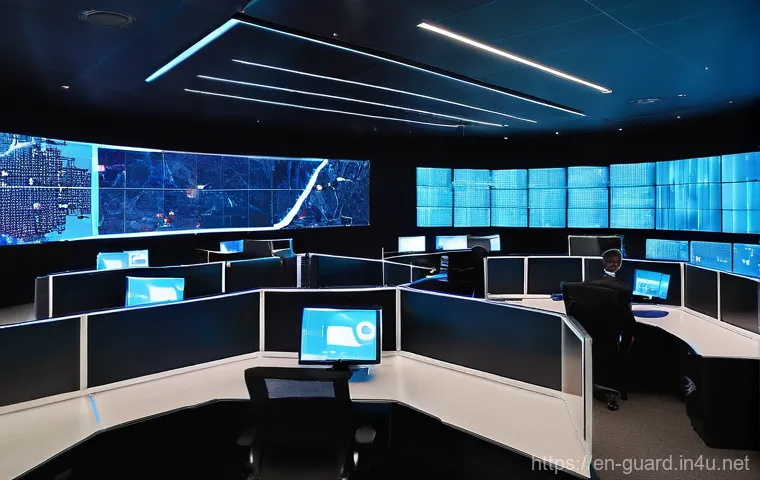
To tackle this blended threat, I’ve seen a strong move towards integrated command and control centers. These aren’t just rooms full of screens; they’re sophisticated hubs where physical security alarms, video feeds, access control data, and cybersecurity alerts are all funneled into a single, cohesive platform. Imagine an alert popping up that shows suspicious network activity originating from a server room, simultaneously correlating with a motion sensor activation *inside* that same room. That’s powerful! I believe these integrated systems allow for faster, more informed decision-making. Security operators, who historically might have only monitored cameras, are now cross-trained to understand cybersecurity dashboards, and vice-versa. This kind of unified approach isn’t just efficient; it’s critical for identifying complex threats that might exploit both physical and digital weaknesses simultaneously. It’s about creating a single, intelligent pane of glass for all security operations.
Data-Driven Decisions: The Power of Analytics in Security
Honestly, if you’re not using data to drive your security strategy in 2025, you’re essentially flying blind. The sheer volume of information that modern security systems generate is staggering, and simply looking at it isn’t enough. The real magic happens when you apply advanced analytics to this data. I’m talking about identifying patterns, understanding trends, and truly grasping the efficacy of your security measures. From optimizing patrol routes based on incident hotspots to predicting maintenance needs for security hardware, data analytics transforms security from a reactive cost center into a proactive, intelligent defense. I’ve worked with organizations that used analytics to demonstrate a clear reduction in shrinkage after implementing a new AI surveillance system, providing concrete ROI. This isn’t just about catching bad guys; it’s about making smarter, more efficient decisions that save money, reduce risk, and ultimately, build a safer environment. It’s about leveraging every single piece of information to constantly refine and improve your security posture.
Optimizing Patrol Routes and Resource Allocation
One of the most practical applications of data analytics I’ve observed is in optimizing security deployments. Instead of just having guards walk random routes, analytics can pinpoint areas with higher historical incident rates, times of day with increased vulnerability, or even environmental factors that correlate with risk. This allows security managers to intelligently allocate resources, sending patrols where they’re most needed, when they’re most needed. I’ve seen this lead to a significant increase in patrol effectiveness and a reduction in response times, simply by making better use of existing personnel. It’s about working smarter, not just harder, and ensuring that every security dollar spent is delivering maximum impact. This approach moves away from guesswork and towards a scientifically informed strategy, which is a massive leap forward for the industry.
Trend Analysis: Understanding Patterns of Risk
Beyond immediate optimization, data analytics allows for a deeper understanding of underlying security trends. Are incidents increasing in a specific part of the facility? Is there a particular day of the week or time of year when certain types of events are more likely? By analyzing historical data from access logs, incident reports, and surveillance footage, security teams can uncover these subtle patterns. For instance, I’ve seen analytics reveal that a spike in unauthorized access attempts correlated with specific social media posts about the property, allowing security to preemptively increase vigilance during similar future events. This kind of proactive intelligence is invaluable. It’s about identifying the ‘why’ behind incidents and developing long-term strategies to mitigate recurring risks, rather than just reacting to each individual event as it happens.
Augmenting Human Capabilities: Not Replacing, But Enhancing
Here’s the absolute truth I want everyone to grasp: all this incredible technology we’ve been talking about—AI, robotics, wearables—it’s not about making human security professionals obsolete. Quite the opposite, actually! From where I stand, it’s about empowering them, giving them ‘superpowers,’ if you will, to perform their jobs with unprecedented effectiveness. The human element, that crucial ability to exercise judgment, empathy, and critical thinking in complex, unpredictable situations, remains irreplaceable. What technology does is offload the tedious, repetitive, or dangerous tasks, allowing our dedicated security teams to focus their invaluable human skills on what truly matters. I’ve personally seen how a guard, freed from endless manual checks by a robotic patrol, could spend more time engaging with visitors, building community trust, or strategically analyzing complex surveillance data provided by AI. It’s about creating a harmonious blend where technology handles the heavy lifting of data processing and constant monitoring, while humans bring their unique problem-solving abilities and emotional intelligence to the forefront. This partnership leads to a much more robust and responsive security posture overall.
The Security Professional as a ‘Super-Operator’
I genuinely believe we’re seeing the evolution of the security professional into what I like to call a ‘super-operator.’ They’re no longer just patrolling or watching monitors; they’re becoming commanders of an advanced technological arsenal. They interpret AI-generated insights, manage robotic patrols, utilize real-time data from wearables, and coordinate responses based on integrated cyber-physical intelligence. This demands a new skillset, certainly, but it also makes the role far more dynamic and intellectually stimulating. I’ve spoken with many guards who feel more engaged and valued now that they’re working with cutting-edge tools, seeing their effectiveness multiply. It’s less about brute force and more about strategic thinking, technical proficiency, and swift decision-making, all amplified by the power of technology. This shift makes the profession incredibly exciting and attractive for a new generation of security personnel.
From Reactive to Proactive: Shifting the Paradigm
The biggest philosophical shift I’ve witnessed thanks to technology is the move from a purely reactive security posture to a predominantly proactive one. Historically, security often meant responding *after* an incident occurred. An alarm went off, then you investigated. Now, with predictive analytics, constant drone surveillance, and intelligent AI monitoring, security teams can anticipate threats and intervene *before* they escalate. Imagine being able to prevent a break-in because AI identified a suspicious individual casing the property hours earlier, or stopping a cyber-attack because integrated systems flagged unusual network behavior. This change is monumental. It saves lives, prevents loss, and builds a profound sense of safety and confidence within protected environments. It’s a game-changer that puts security professionals in a position of strength, always one step ahead.
| Technology Trend | Key Benefit for Security Professionals | Example Application |
|---|---|---|
| AI & Predictive Analytics | Enhanced foresight and threat anticipation | AI analyzes patterns to predict potential incidents in high-risk zones, guiding proactive patrols. |
| Robotics & Drones | Extended reach, endurance, and coverage | Autonomous robots conduct tireless perimeter patrols in large facilities, detecting anomalies. |
| Wearable Tech | Real-time information, communication, and personal safety | Smartwatches provide instant alerts, body cameras stream live footage for rapid response. |
| Cyber-Physical Convergence | Holistic threat assessment and unified response | Integrated systems correlate cyber intrusions with physical access attempts for a complete picture. |
| Data Analytics | Optimized resource allocation and strategy refinement | Analyzing incident data to optimize patrol routes and identify vulnerable times/locations. |
글을 마치며
Whew! What a journey we’ve taken through the incredible world of modern security! If there’s one thing I hope you take away, it’s that the future of protection isn’t about machines replacing us, but about them empowering us. I’ve seen firsthand how these intelligent guardians, from AI to robotics and wearable tech, are becoming indispensable partners, helping our dedicated security professionals be more effective, proactive, and ultimately, safer themselves. It’s a dynamic, exciting landscape, and I truly believe this blend of human ingenuity and technological prowess is building a much more secure world for all of us.
알아두면 쓸모 있는 정보
Here are some quick, actionable insights I’ve picked up, which I think are super useful if you’re navigating the world of advanced security:
1. Don’t try to go all-in at once! Start with a phased approach when deploying AI or new tech. Pick a high-priority area, see the benefits, and then gradually expand its capabilities.
2. Data privacy and ethical considerations aren’t afterthoughts; they’re foundational. Seriously, always prioritize robust data protection measures, ensure consent for data collection, and be transparent about how AI models are used.
3. Invest in your people! Technology is only as good as the humans operating it. Provide ongoing training and education for your security teams so they can confidently work alongside AI and leverage its full potential.
4. Push for open architecture and seamless integration. You don’t want a jumble of systems that can’t talk to each other. Prioritize solutions that offer open standards for easier integration and future scalability.
5. Always, always start with a thorough risk assessment. Before you implement any new AI security solution, understand your specific needs and challenges to choose the right tools that truly address your requirements.
중요 사항 정리
The Indispensable Partnership: Humans and AI
From everything I’ve observed and experienced, the most profound shift in modern security is the powerful, symbiotic relationship between human expertise and artificial intelligence. AI excels at processing vast volumes of data, identifying subtle patterns, and automating repetitive tasks at speeds impossible for humans. This liberates our security professionals to focus on what they do best: applying critical thinking, intuition, empathy, and ethical judgment to complex, nuanced situations that only a human can truly navigate. We’re truly seeing the evolution of security personnel into “super-operators,” who command and interpret insights from advanced systems, making them more strategic and effective than ever before. This collaboration isn’t just about efficiency; it’s about building a more resilient and intelligent defense that leverages the unique strengths of both partners.
Navigating the Dynamic Threat Landscape
The security world is no longer about neatly separated silos of physical and cyber threats; it’s a blended, interconnected landscape where vulnerabilities in one domain can quickly impact the other. This demands a holistic, unified approach. What’s truly game-changing is the pivot from reactive to proactive security. With AI’s predictive capabilities, we can now anticipate potential threats based on historical data and behavioral patterns, enabling intervention *before* incidents escalate. Integrated command centers are becoming the nerve centers of this new paradigm, correlating physical alarms with cybersecurity alerts to provide a comprehensive, real-time picture. This allows for faster, more informed decision-making and a stronger overall security posture against ever-evolving adversaries.
Key Considerations for Successful AI Adoption
While the benefits are clear, adopting advanced AI security solutions comes with its own set of responsibilities and challenges. Firstly, robust data privacy and ethical guidelines are non-negotiable. With AI relying on extensive datasets, ensuring consent, preventing unauthorized use, and addressing algorithmic bias are paramount to maintaining trust and compliance. Secondly, successful integration isn’t always straightforward, especially when dealing with legacy systems. Prioritizing open-architecture tools and adopting a phased implementation strategy can mitigate many of these complexities. Lastly, continuous learning and adaptation are crucial. The AI landscape is evolving rapidly, and staying informed about new trends, vulnerabilities, and best practices, as well as providing ongoing training for your security team, will ensure your defenses remain cutting-edge and effective.
Frequently Asked Questions (FAQ) 📖
Q: So, with all this talk about
A: I and robots, how are these new technologies actually helping our security professionals, and does this mean fewer human jobs in the future? A1: That’s a fantastic question, and one I get asked a lot!
From what I’ve seen firsthand, these technologies aren’t about replacing the dedicated folks who keep us safe, but rather about giving them some serious upgrades.
Think of AI as an incredibly diligent assistant that never blinks. It sifts through endless hours of surveillance footage, looking for anomalies that a human might miss after hours of staring at screens.
This means security teams can react before a situation escalates, rather than just cleaning up afterwards. Predictive analytics, for example, can analyze patterns and flag potential risks in areas or at times when incidents are more likely to occur.
As for robotics, they’re brilliant for the mundane, dangerous, or repetitive tasks. Autonomous patrol robots can cover vast perimeters, check for environmental hazards, or respond to initial alerts in hazardous zones, freeing up human officers to focus on more complex decision-making, direct intervention, and crucial human-to-human interaction.
My personal take? It elevates the role of a security professional from just being a pair of eyes to being a strategic commander, armed with incredible data and support.
It’s a hybrid approach that truly enhances human capabilities, making their jobs more impactful and, frankly, much more interesting!
Q: That sounds really innovative! Could you give us some real-world examples of how this “smart security” is being used today? I’m curious to know what it actually looks like in action.
A: Absolutely! When I talk about “smart security,” I’m not just talking hypotheticals; these are systems that are already making a tangible difference. For instance, in large public spaces like airports or shopping malls, AI-powered cameras are being deployed to automatically detect unusual crowd behavior, unattended packages, or even individuals exhibiting suspicious movements, instantly alerting human personnel to investigate.
We’re also seeing drones used for rapid aerial assessments of large industrial sites or critical infrastructure, providing an immediate overview of a potential breach or environmental issue that would take ground teams much longer to discover.
And let’s not forget about wearable tech! Security guards are now equipped with smart body cameras that can livestream footage back to a command center, providing real-time situational awareness during an incident.
Some systems even incorporate biometric access control, making entry points incredibly secure and convenient. What’s truly exciting is when these disparate technologies are integrated into a unified command platform.
I’ve personally observed how a well-designed system can aggregate data from dozens of sensors, cameras, and even human reports, giving a security manager a crystal-clear, real-time picture of an entire property.
It’s truly transformative.
Q: While all this advanced technology sounds impressive, my main concern is whether it’s genuinely making us safer, or if it’s just adding layers of complexity and cost. What’s your perspective on the actual impact on overall safety?
A: That’s a really valid concern, and it’s essential to address it head-on. From my experience tracking these developments, the answer is a resounding yes, these technologies are absolutely making us safer, when implemented thoughtfully.
The key benefit is moving from reactive security to proactive security. Instead of responding to an event that has already occurred, these systems allow security teams to anticipate and even prevent incidents.
Predictive analytics can identify vulnerabilities or patterns that suggest a higher risk of something happening, enabling resources to be deployed strategically.
Think about it: catching a potential intruder on camera before they even attempt to breach a perimeter, thanks to AI, is a game-changer. As for complexity, that’s where good system design comes in.
While the underlying technology can be intricate, the goal is always to provide security professionals with intuitive, user-friendly interfaces that centralize information.
A well-designed system actually reduces complexity for the end-user by filtering out noise and presenting actionable intelligence. Of course, there’s an investment, but when you weigh that against the costs of a security breach – not just financial, but reputational and emotional – the enhanced safety and efficiency often prove to be an invaluable asset.
It’s like upgrading your home security system; a bit of an upfront cost, but the peace of mind and protection are priceless.