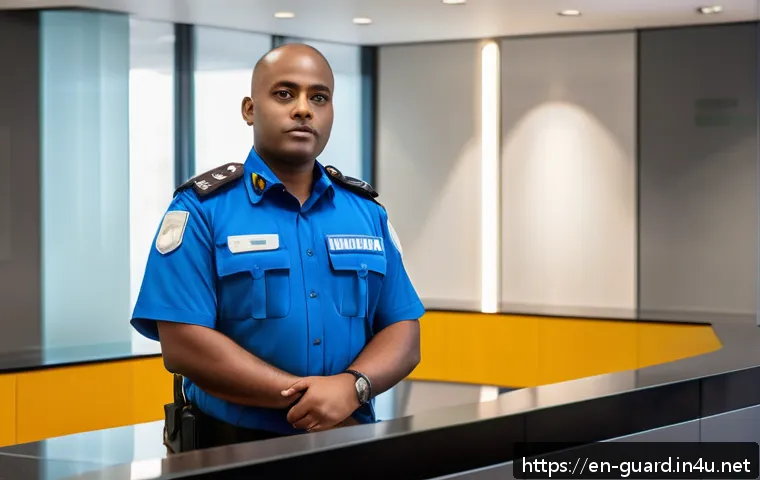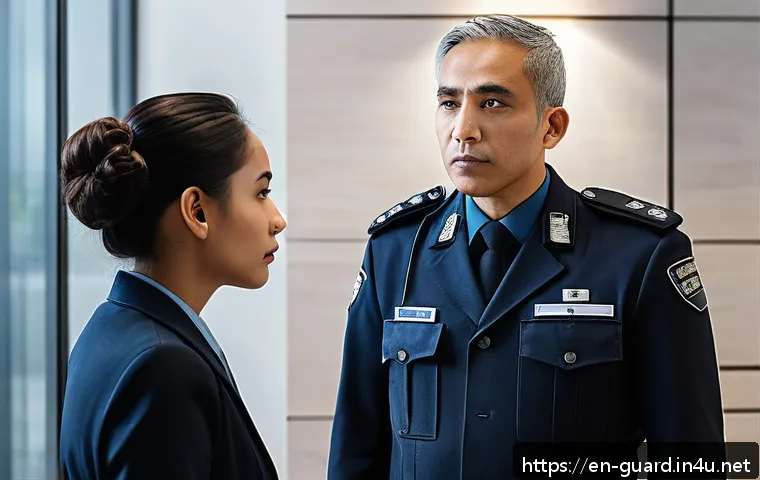
There’s a unique sense of accomplishment that settles in when you’re dedicated to safeguarding others, something I’ve personally experienced time and again.
As a security supervisor and instructor, my days are often a dynamic blend of training, strategic planning, and hands-on oversight, a role far more encompassing than many realize.
While the daily challenges are ever-present, it’s those profound moments of genuine reward – like seeing a carefully planned operation run smoothly, or a team member I mentored truly excel under pressure – that truly resonate.
These aren’t just minor victories; they’re the powerful affirmations of why we commit to this vital work, knowing we’re contributing directly to the safety and peace of mind of countless individuals.
Curious to hear more about these incredibly rewarding experiences? Let’s uncover them together.
The Deep Satisfaction of a Well-Executed Plan
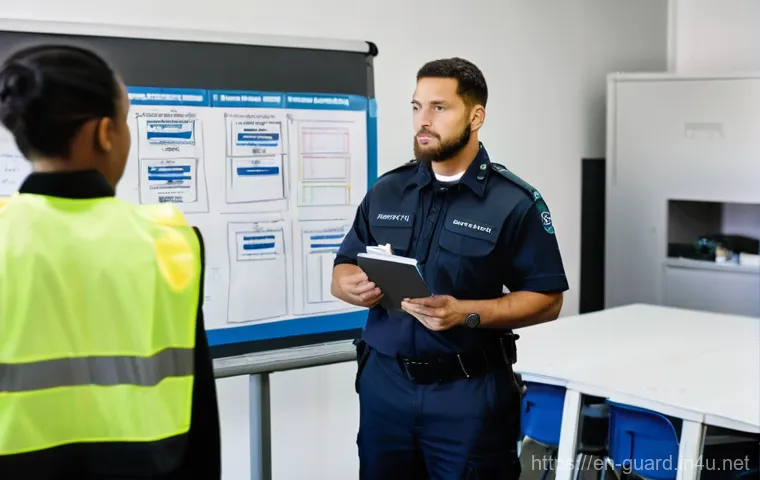
There’s a palpable rush that courses through you when a meticulously crafted security strategy unfolds exactly as planned. It’s not just about getting the job done; it’s about the hours of reconnaissance, risk assessment, and collaborative planning finally bearing fruit. I remember one particularly complex event at a major convention center downtown. We had intelligence about potential disruptions, and the stakes were high, with thousands of attendees expected. My team and I spent weeks mapping out patrol routes, establishing communication protocols, and even rehearsing various scenarios, from crowd control to emergency evacuations. On the day itself, every single detail, from the staggered shifts to the discreet placement of observation points, clicked into place. Seeing my officers move with such fluid coordination, responding proactively rather than reactively, was incredibly rewarding. It wasn’t just a smooth operation; it was a testament to the power of foresight and teamwork. The quiet hum of efficiency, the knowledge that we were keeping everyone safe without them even fully realizing the intricate dance happening behind the scenes, that’s a satisfaction money can’t buy. It reinforces why we put in the extra hours, why we sweat the small stuff, because when it all comes together, the peace of mind it creates for others, and for us, is truly profound. We were anticipating every potential hiccup and had contingency plans for our contingency plans, and seeing that preparation pay off made every late night worth it. There’s a certain magic in turning potential chaos into calm through sheer diligence and strategic thinking, and those are the moments I truly live for in this profession. It also shows the importance of leadership in guiding a team through complex situations, ensuring everyone understands their role and the overall objective, making them feel like a crucial part of the bigger picture.
When Preparation Meets Performance
It’s one thing to draw up plans on paper, but quite another to see them executed flawlessly in a real-world environment. For me, the true joy lies in that transition. I recall a significant VIP visit where the security footprint had to be extensive yet unobtrusive. We designed a multi-layered approach, involving perimeter security, internal patrols, and close protection details. The critical element was seamless communication across all teams, using encrypted radios and pre-established hand signals. During the event, a minor security breach was attempted by an overly enthusiastic fan. Thanks to our layered approach and the immediate, coordinated response we’d drilled relentlessly, the individual was quickly and safely escorted away, without any disruption to the VIP or the event. The entire incident was contained within seconds, a testament to the fact that preparedness isn’t just a buzzword; it’s the bedrock of effective security. Seeing my team react with such speed, professionalism, and adherence to protocol filled me with an immense sense of pride. It proved that our countless drills and detailed planning weren’t just theoretical exercises; they were vital rehearsals for maintaining public safety and order. This kind of real-time validation is incredibly powerful, reassuring me that the principles we instill in training truly hold up under pressure.
The Art of Proactive Security
One of the most fulfilling aspects of this role isn’t just responding to incidents, but actively preventing them. It’s the subtle art of proactive security, where potential threats are identified and neutralized before they ever escalate. We continuously monitor patterns, analyze intelligence, and assess vulnerabilities to stay one step ahead. A notable instance involved identifying a recurring pattern of suspicious activity around a commercial property we protected, long before any actual crime occurred. By deploying additional, targeted patrols and installing enhanced surveillance in those specific areas, we effectively deterred what could have been a series of burglaries. The feeling of preventing harm, of safeguarding assets and peace of mind before anything negative even manifests, is profoundly satisfying. It’s like being a silent guardian, working tirelessly in the background to maintain an unseen shield of safety. This proactive mindset, which I emphasize heavily in training, empowers our team to be more than just responders; it transforms them into vigilant protectors. It’s about being observant, trusting your instincts, and knowing when to elevate a concern, because often, the smallest detail can be the key to averting a much larger problem. This focus on prevention not only saves resources in the long run but, more importantly, keeps individuals and property safe from harm, which is always our ultimate goal.
Mentoring the Next Generation of Guardians
There’s a unique kind of legacy building that happens when you’re a security instructor. It’s not just about passing on knowledge; it’s about shaping mindsets, instilling values, and fostering the next generation of vigilant protectors. I’ve had the privilege of training countless individuals, some fresh out of school, others transitioning from different careers. Watching them evolve from nervous recruits into confident, competent security professionals is an experience that truly warms my heart. I remember a young man, let’s call him Alex, who started with us a few years ago. He was bright but lacked self-assurance and tactical awareness. We worked extensively on his observational skills, conflict de-escalation techniques, and strategic thinking. I pushed him, yes, but I also believed in him, offering constant encouragement and practical, real-world scenarios to build his confidence. Fast forward to today, and Alex is now one of our most reliable team leaders, handling complex situations with a calm authority that’s inspiring to witness. Seeing that transformation, knowing I played a small part in his professional journey, is incredibly affirming. It’s a powerful reminder that our impact extends far beyond immediate safety and security; we’re also investing in human potential and building a stronger, more capable workforce for the future. The connections forged in the training room, the shared struggles and triumphs, create a bond that’s foundational to our team’s cohesion and effectiveness. These aren’t just colleagues; they become a professional family, united by a common purpose and the skills we’ve honed together. It’s about building resilience not just in individuals but within the entire security apparatus, ensuring a continuous flow of highly capable and dedicated professionals. There’s a profound sense of purpose in knowing that the principles and techniques you impart will literally save lives or prevent significant harm down the line, and that’s a responsibility I take very seriously.
Building Confidence Through Practical Scenarios
Theoretical knowledge is crucial, but nothing builds a security professional’s confidence like hands-on experience in simulated, high-pressure environments. In my training sessions, I prioritize practical scenarios that mirror the unpredictability of real-world security challenges. We might simulate a lost child incident in a crowded area, a suspicious package discovery, or even a controlled active threat situation, always ensuring safety first, of course. These exercises push trainees out of their comfort zones, forcing them to think critically, communicate effectively, and act decisively under duress. I remember one particular trainee who struggled with communication during a simulated emergency. She was competent physically, but her voice would waver, and she’d hesitate to give clear instructions. Through repeated drills and personalized feedback, focusing on her tone, clarity, and authority, she gradually transformed. By the end of her training, she was barking out commands with a commanding presence, coordinating her team flawlessly. That moment, seeing her find her voice and leadership capability, was incredibly rewarding. It wasn’t just about learning a skill; it was about overcoming a personal barrier and unlocking her full potential. These practical scenarios are indispensable tools for bridging the gap between classroom learning and street-level execution, ensuring that when the real moment comes, our team is not just ready, but truly capable. It’s about empowering them with the muscle memory and mental fortitude to perform when it matters most, knowing they’ve already faced similar challenges and emerged victorious, even if it was just a simulation.
Fostering a Culture of Continuous Learning
The security landscape is constantly evolving, with new threats, technologies, and regulations emerging regularly. For me, a crucial part of being an instructor is fostering a culture of continuous learning and adaptation within our team. It’s not enough to train once and consider the job done; we must always be hungry for new knowledge and better ways of doing things. I regularly introduce new methodologies, discuss recent incidents from around the globe, and encourage my team to share their own insights and experiences. We often hold informal debriefs after shifts, analyzing situations and identifying areas for improvement. This open dialogue not only keeps everyone sharp but also reinforces the idea that learning is a collective responsibility. I vividly recall a time when a junior officer, who had recently completed a specialized cyber awareness course I recommended, identified a sophisticated phishing attempt targeting our internal systems. His proactive identification saved us from a potentially devastating data breach. That moment underscored the immense value of empowering every team member to be a lifelong learner and recognizing their contributions, regardless of rank. It’s about building a team that’s not just reactive but inherently adaptive and innovative, always looking for the next challenge and the next solution. This commitment to ongoing education ensures that our security posture remains robust and resilient against an ever-changing array of threats, proving that investing in our people’s knowledge is truly our best defense.
Navigating High-Stakes Situations with Calm and Precision
Working in security often means facing moments where the stakes couldn’t be higher – situations that demand immediate, precise action and a steady hand under immense pressure. These are the times when all the training, all the experience, coalesces into a singular focus: protecting lives and property. There’s a profound sense of purpose that ignites when you’re at the center of such an event, guiding your team through the chaos, ensuring every decision is calculated and every move is executed flawlessly. I’ve personally been involved in numerous critical incidents, from active threat scenarios to natural disaster responses, and each one has offered its own intense challenges and unique rewards. The reward isn’t in the danger itself, but in the successful resolution, in knowing that your leadership and your team’s collective effort prevented a worse outcome. I remember a particularly intense incident involving a medical emergency in a crowded venue. A concert-goer collapsed, and initial panic started to spread. My team, trained in emergency first aid and crowd management, immediately sprang into action. While some officers secured the area and cleared a path for paramedics, others provided crucial medical assistance, keeping the individual stable until professional help arrived. I was coordinating with event staff and emergency services, ensuring clear communication and efficient resource allocation. Seeing that person eventually taken away safely, knowing our quick and coordinated response made a tangible difference in their life, is a feeling that stays with you. It’s a powerful validation of the training and dedication we all put in. These aren’t just jobs; they are moments where our professionalism truly shines through, where we literally hold safety in our hands and deliver. The ability to remain composed and guide others through such intense experiences is a skill honed over many years, a testament to mental fortitude and unwavering commitment. It’s about being the calm in the storm, projecting confidence and competence to both your team and the public, which in turn helps to de-escalate fear and maintain order.
De-escalation: The First Line of Defense
Often, the most effective security intervention isn’t a show of force, but a calm, empathetic approach to de-escalate a potentially volatile situation. It’s a skill I’ve honed over years and something I emphasize heavily in training because it often prevents incidents from spiraling out of control. There was a situation involving an agitated individual who was causing a disturbance in a public park. Instead of immediately resorting to physical intervention, I approached him calmly, maintaining a safe distance, and listened intently to his grievances. It turned out he was experiencing a personal crisis and felt unheard. By simply acknowledging his feelings and offering to connect him with local support services, we were able to de-escalate the situation peacefully, without any force or further disruption. The relief on his face, and the palpable shift in the atmosphere, was incredibly gratifying. It highlighted the power of human connection and empathy, even in a security context. Knowing that we resolved the situation without further incident, preserving both his dignity and public safety, is a profound reward. This method not only protects individuals from potential harm but also builds a sense of trust within the community, showing that security personnel are there to help, not just to enforce. It’s a testament to the idea that sometimes, the strongest defense is found in thoughtful communication and genuine concern for another person’s well-being, proving that verbal judo can be far more effective than physical restraint in many scenarios.
Crisis Management: When Every Second Counts
In a true crisis, the clock feels like it’s speeding up, and every second counts. As a supervisor, my role shifts from oversight to immediate, decisive command and control. This isn’t just about making quick decisions; it’s about making the *right* decisions under extraordinary pressure, often with incomplete information. I recall a fire alarm incident in a large commercial building during peak business hours. The immediate challenge was verifying the alarm’s legitimacy while simultaneously initiating evacuation procedures for hundreds of people. My team quickly established command posts, confirmed the source of the alarm (a minor electrical fault, thankfully), and guided occupants to safety with calm authority. What was most rewarding was witnessing the coordinated effort: some officers managing crowd flow, others sweeping floors, and me communicating updates to emergency services and building management. The seamless operation, leading to a swift and safe evacuation and re-entry, was a direct result of our ongoing crisis drills and established protocols. The collective sigh of relief from building occupants, and the commendation from emergency responders, reinforced the immense value of our preparedness. It’s in these crucible moments that our training truly proves its worth, and the satisfaction of leading a team to a successful resolution, protecting everyone involved, is immense. It’s about being the steady anchor when the world around you feels like it’s spinning out of control, providing a clear path to safety through well-rehearsed actions and confident leadership.
Building Bridges: Earning Community Trust
For me, security isn’t just about gates, cameras, and patrols; it’s fundamentally about people and the trust we build within the communities we serve. There’s an incredible reward in moving beyond being just a uniform and becoming a familiar, trusted face. This trust isn’t given; it’s earned through consistent professionalism, approachability, and a genuine commitment to the well-being of others. I’ve always believed that effective security is a collaborative effort between us and the public, and fostering that relationship is one of the most fulfilling aspects of my job. I remember initiating a “Coffee with a Cop” program in a particularly diverse neighborhood we patrolled. The initial turnout was modest, but over time, as people saw us as approachable individuals rather than just authority figures, the conversations grew deeper, and the community felt more comfortable sharing concerns and insights. We learned about local issues we wouldn’t have otherwise known, which allowed us to tailor our security efforts more effectively. That feeling of breaking down barriers, of seeing residents waving hello and approaching us with smiles instead of apprehension, is incredibly heartwarming. It creates a safer environment for everyone because people are more likely to report suspicious activity when they trust the people they’re reporting it to. It’s a virtuous cycle. This kind of community engagement transforms our role from mere enforcers to active partners in safety, which is a far more impactful and rewarding way to operate. The anecdotes from community members about feeling safer, knowing we’re watching out for them, are the true accolades that motivate me and my team every single day. We’re not just protecting property; we’re protecting a way of life and the peace of mind that allows a community to thrive. It’s about integrating into the fabric of daily life, understanding its nuances, and becoming a positive, reassuring presence.
The Impact of Visibility and Approachability
Visibility and approachability are two cornerstones of effective community-oriented security, and their impact is often underestimated. Simply being seen, being present, and being willing to engage can dramatically alter public perception and enhance overall safety. I always encourage my team to greet people, make eye contact, and be open to conversations, even if it’s just a quick “hello.” There was a time when a new shopping complex opened, and the initial public perception of security was quite sterile and intimidating. We decided to proactively change that. We started assigning officers to walk-and-talk patrols, engaging shoppers, answering questions, and even helping with directions. Over a few months, the atmosphere shifted noticeably. Shoppers started approaching us not just with security concerns, but for general assistance, seeing us as a resource. This increased interaction led to several instances where subtle suspicious behaviors were reported to us directly by shoppers, allowing us to intervene early. The feeling of being integrated, of being seen as helpers rather than just enforcers, not only made our job easier but also cultivated a genuine sense of shared responsibility for safety. It showed that a friendly wave and a listening ear could be just as powerful, if not more so, than any high-tech surveillance system in building a secure environment. It’s about demystifying the uniform and showing the human element behind the badge, fostering trust that makes everyone feel more secure and understood.
Collaborating for a Safer Tomorrow

True security is rarely achieved in isolation; it’s almost always a product of collaboration. Working effectively with local law enforcement, emergency services, business owners, and community groups is paramount, and these partnerships often lead to the most impactful and rewarding outcomes. I’ve spent years cultivating these relationships, participating in inter-agency meetings, and coordinating joint training exercises. A particularly fulfilling experience involved a multi-agency effort to address a persistent issue of youth loitering and minor vandalism in a specific commercial district. Instead of just increasing patrols, we collaborated with local youth outreach programs and business associations. We introduced mentorship opportunities and community events, offering positive alternatives. This holistic approach, blending enforcement with engagement, led to a significant decrease in incidents and a noticeable improvement in the area’s vibrancy. The success wasn’t ours alone; it belonged to everyone involved. That shared sense of accomplishment, knowing we collectively made a lasting positive change, is incredibly motivating. It reinforces the idea that when different entities with shared goals come together, the impact can be exponentially greater than any individual effort. These partnerships aren’t just about sharing resources; they’re about sharing a vision for a safer, more harmonious community, and that collaborative spirit is something I cherish deeply in my professional life. It’s a testament to the power of unity and understanding that transcends individual mandates, creating a cohesive safety net for everyone.
Embracing Innovation: Staying Ahead in Security
The world of security is never static; it’s a dynamic landscape where technology and threats are constantly evolving. For someone who thrives on learning and problem-solving, embracing innovation is not just a necessity but a deeply rewarding aspect of being a security supervisor and instructor. There’s immense satisfaction in staying at the forefront, exploring new tools, and integrating cutting-edge solutions to enhance our protective capabilities. I remember a few years ago, we were grappling with challenges related to monitoring large, dispersed areas efficiently. Traditional patrol methods were resource-intensive, and static cameras had blind spots. I began researching drone technology and its potential applications for security. After extensive pilot programs and rigorous testing, we successfully integrated a drone surveillance program, complete with thermal imaging capabilities, into our operations. The impact was immediate and profound: enhanced situational awareness, quicker response times to perimeter breaches, and a significant boost in our overall deterrent capabilities. The entire process, from initial research to successful implementation and training my team on its operation, was incredibly engaging. Seeing how a new piece of technology could so dramatically improve our effectiveness and officer safety was a powerful affirmation of the value of innovation. It’s not just about buying new gadgets; it’s about strategically deploying them to create smarter, more resilient security systems. The challenge of continuously adapting and finding creative solutions to emerging threats keeps the job fresh and exciting, ensuring that complacency never sets in. There’s a particular thrill in turning a complex problem into a streamlined solution using intelligent technology, and then empowering my team to master these new tools, seeing their excitement and increased effectiveness. It makes our work more efficient, more comprehensive, and frankly, a lot more interesting for everyone involved, pushing the boundaries of what security can achieve.
Leveraging Smart Technology for Enhanced Vigilance
In today’s interconnected world, smart technology has revolutionized how we approach security, moving beyond passive observation to active, intelligent vigilance. The integration of AI-powered analytics, advanced biometrics, and sophisticated access control systems has been a game-changer, and personally, it’s thrilling to lead these transformations. I’ve spearheaded projects to implement smart surveillance systems that can detect unusual patterns or anomalies, alerting our team to potential threats far quicker than human eyes ever could. For example, a new system we adopted uses machine learning to identify abandoned packages or unauthorized vehicle entries in real-time, drastically reducing response times. The efficiency and accuracy these technologies bring are not just impressive; they free up my human team to focus on higher-level analytical tasks and direct engagement, where their unique human skills are most valuable. It’s about augmenting human intelligence with artificial intelligence, creating a synergistic security posture. Seeing the immediate, tangible benefits – like preventing an unauthorized entry within seconds of it occurring – provides immense professional satisfaction. It’s a testament to how intelligent deployment of technology can elevate our capabilities, making security smarter, faster, and ultimately, more effective in protecting lives and assets. The continuous learning curve involved in mastering these tools and then teaching my team how to harness their power is an ongoing, rewarding journey, ensuring we’re always operating at the cutting edge.
Training for Tomorrow’s Threats
The very nature of threats is constantly evolving, from sophisticated cyber attacks to increasingly nuanced physical security challenges. As an instructor, a significant part of my reward comes from developing and delivering training programs that prepare my team for tomorrow’s threats, not just yesterday’s. This involves a lot of research, staying current with global security trends, and collaborating with industry experts. We’ve introduced specialized modules on cyber hygiene for physical security personnel, recognizing the growing convergence of physical and digital threats. We also conduct workshops on identifying and countering insider threats, emphasizing behavioral indicators and social engineering tactics. I recall developing a new training simulation focused on active assailant response in a rapidly changing environment. The initial feedback from some officers was apprehension, but after going through the realistic drills and debriefs, their confidence soared. Knowing that I’m equipping my team with the knowledge and skills to face complex, evolving dangers is incredibly fulfilling. It’s about empowering them with foresight, not just hindsight, ensuring they’re resilient and adaptable in the face of the unknown. This commitment to future-proofing our security team, ensuring they are always a step ahead, is not just a professional duty; it’s a personal mission that yields profound satisfaction when I see them apply these advanced skills effectively in the field, making a real difference when it matters most.
The Unsung Victories: Preventing What Could Have Been
In security, the greatest victories are often the ones you never hear about – the incidents that were meticulously prevented, the disasters that were skillfully averted. These are the “could-have-beens” that never materialize, thanks to vigilant observation, proactive intervention, and steadfast dedication. There’s a quiet, yet profound, satisfaction in knowing that your efforts, often behind the scenes, spared individuals or organizations from significant harm, loss, or distress. It’s not about flashy heroics; it’s about the consistent, often invisible, work that creates an environment of safety and stability. I recall numerous occasions where diligent patrols or keen observation by my team members identified a potential vulnerability or suspicious individual long before any actual threat could manifest. For instance, an officer noticed a vehicle parked oddly near a sensitive area for an unusually long time. Following protocol, they investigated discreetly, finding that the occupant was conducting unauthorized surveillance. Their timely intervention disrupted a potential nefarious activity without incident, avoiding what could have been a serious security breach. This isn’t the stuff of headlines, but for us, it’s a triumph of professionalism. The reward here isn’t public applause; it’s the internal knowledge that you’ve done your job so well that nothing bad happened at all. This kind of prevention is the ultimate goal of security, and every time we achieve it, it’s a powerful affirmation of our purpose. It reinforces the importance of every single person on the team, highlighting that even seemingly small acts of vigilance can have monumental protective effects. The profound peace of mind that comes from knowing you’ve kept a community or facility safe from an unseen danger is a unique form of gratification that truly underscores the value of our often-unseen work. It’s a testament to the fact that sometimes, the most effective guardians are those who prevent the storm from ever gathering. The ability to look back and trace how a potential disaster was carefully unraveled and defused before it ever got the chance to escalate gives me a deep sense of calm purpose in this demanding profession.
Silent Guardians: The Power of Deterrence
Often, our mere presence and the visible implementation of robust security measures are enough to deter potential wrongdoers. This power of deterrence is an unsung hero of security, preventing incidents before they even begin. It’s a subtle yet incredibly effective strategy, and witnessing its efficacy is deeply rewarding. I’ve seen countless examples where the strategic placement of security personnel, the clear visibility of surveillance cameras, or even simply maintaining a regular, unpredictable patrol schedule has noticeably reduced incidents of petty crime, vandalism, and other disturbances. There was a period where a certain area was experiencing an uptick in minor property crimes. Instead of just reacting, we proactively increased our uniformed presence, ensuring our officers were visible and engaged with the public. Within weeks, the incidents dropped significantly. The knowledge that our visible presence alone, without a single confrontation or arrest, was enough to make potential criminals think twice and move on, is incredibly satisfying. It speaks to the psychological aspect of security – that creating an impression of unwavering vigilance can be as effective as direct intervention. This silent guardianship fosters a sense of safety for the law-abiding community members while subtly discouraging those with ill intentions. It’s a powerful testament to the fact that prevention often comes from a well-maintained, authoritative presence that radiates competence and readiness, making our environments less inviting for those who seek to cause trouble. The peace that settles over an area, simply because we are consistently there, is a profound and often overlooked achievement.
Anticipating and Neutralizing Emerging Threats
A significant part of our role as security professionals involves not just reacting to current threats, but proactively anticipating and neutralizing emerging ones. This requires constant vigilance, intelligence gathering, and a forward-thinking mindset. It’s a complex dance of prediction and preparation, and the successful outcome of such efforts brings immense satisfaction. I’ve been involved in analyzing shifts in local crime patterns, understanding new methods used by organized groups, and even staying informed about global geopolitical events that might have localized security implications. Based on this intelligence, we often adjust our protocols, enhance specific security measures, or conduct targeted awareness campaigns for the public. For example, when there was an increase in specific types of scams targeting vulnerable populations, we partnered with local community centers to host informational sessions, educating residents on how to identify and avoid these schemes. The reward came not in catching a scammer, but in the feedback from community members who told us they recognized a scam attempt because of our workshops and avoided becoming victims. That feeling of empowering individuals with knowledge, of building a collective defense against evolving threats, is truly gratifying. It’s about being a step ahead, mitigating risks before they fully materialize, and safeguarding communities through foresight and strategic planning. This proactive approach, where we forecast potential challenges and build robust defenses, is a cornerstone of effective modern security and provides a deep, ongoing sense of purpose and accomplishment. It’s not about seeing what *is* happening, but predicting what *could* happen, and then strategically putting measures in place to ensure it *doesn’t*.
| Pillar of Effective Security Supervision | Description & Personal Impact |
|---|---|
| Strategic Planning & Foresight | Involves meticulous risk assessment, anticipating potential threats, and developing comprehensive plans. Personally, seeing a complex operation run flawlessly due to careful planning is incredibly rewarding, affirming the value of preparation and strategic thinking. It’s the thrill of turning potential chaos into calm. |
| Team Leadership & Mentorship | Focuses on developing security personnel through training, motivation, and fostering a collaborative environment. My greatest joy comes from witnessing trainees grow into confident professionals, knowing I’ve helped shape their capabilities and instilled a sense of shared purpose. Building a strong, cohesive team is paramount. |
| Crisis Management & Response | The ability to remain calm and decisive under pressure during critical incidents, ensuring coordinated and effective responses. Successfully navigating high-stakes situations, like a medical emergency or a fire alarm, and achieving a safe resolution is immensely validating, proving the power of drills and steady leadership. |
| Community Engagement & Trust Building | Establishing positive relationships with the public, fostering collaboration, and promoting a sense of shared responsibility for safety. Breaking down barriers and earning the trust of a community, seeing them engage with us openly, enhances our effectiveness and is deeply heartwarming, turning us into trusted partners. |
| Technological Adaptation & Innovation | Staying current with new security technologies and integrating them to enhance efficiency and protective capabilities. Leading the adoption of smart surveillance or drone programs and seeing the immediate positive impact on operations and officer safety keeps the job exciting and ensures we’re always at the cutting edge. |
Closing Thoughts
Reflecting on these experiences, it’s clear that working in security is far more than just a job; it’s a profound commitment to safeguarding our communities and building a safer tomorrow. The deep satisfaction I’ve found in meticulously planning an operation, mentoring the next generation of guardians, navigating high-stakes situations, and earning genuine community trust is truly unparalleled. Every challenge, every successful intervention, and every moment of connecting with people has only solidified my passion for this dynamic field. It’s a journey of continuous learning, adaptation, and immense personal fulfillment, where every day presents an opportunity to make a tangible, positive difference in the lives of others, often without them even realizing the intricate work happening behind the scenes. That quiet pride, knowing you’ve kept someone safe, is the greatest reward of all.
Handy Tips You Might Appreciate
1. Personal Preparedness is Key: While we, as security professionals, work tirelessly, knowing your own local emergency exits, being aware of your surroundings, and having a personal safety plan can significantly enhance your security. It’s about building a robust collective defense, starting with individual awareness.
2. Trust Your Instincts: If a situation or individual feels off, don’t dismiss that gut feeling. Often, subtle cues can be early indicators of a potential issue. Report anything suspicious to local authorities or security personnel; it’s always better to be safe than sorry.
3. Engage with Your Community’s Security: Don’t hesitate to say hello to security officers or local law enforcement. Building rapport fosters a sense of trust and openness, which makes everyone safer. They’re there to help, and a friendly face goes a long way.
4. Stay Informed on Digital Safety: In our increasingly connected world, digital security is just as vital as physical security. Be wary of phishing attempts, use strong, unique passwords, and keep your software updated. A little knowledge here can prevent a lot of heartache.
5. Consider a Career in Security: If you’re drawn to problem-solving, protecting others, and thrive in dynamic environments, a career in security might be incredibly rewarding. It’s a field that demands constant growth, offers diverse challenges, and provides a deep sense of purpose that truly impacts lives.
Key Takeaways
At its heart, effective security isn’t just about robust systems and strict protocols; it’s deeply rooted in human connection, proactive strategies, and a relentless commitment to adaptability. My journey has shown me that the true strength of any security operation lies in meticulous planning, empowering and mentoring a dedicated team, calmly navigating crises, fostering genuine community trust, and eagerly embracing technological innovations. The most profound satisfactions often come from the unsung victories, those moments where vigilance and foresight prevent harm before it ever occurs, creating a safer, more peaceful environment for everyone.
Frequently Asked Questions (FAQ) 📖
Q: What exactly makes being a security supervisor and instructor so uniquely rewarding for you?
A: Oh, that’s a fantastic question, and one I love to talk about! For me, it truly boils down to two core things: impact and mentorship. You know, there’s a distinct feeling you get when you’re directly contributing to someone’s safety and peace of mind.
It’s not just about stopping a threat, though that’s obviously critical. It’s the profound satisfaction of knowing a carefully planned operation ran smoothly because of the groundwork my team and I laid.
I’ve personally experienced the relief that washes over a client when a potential issue is diffused calmly and effectively, or the pride in seeing a large event proceed without a hitch thanks to our meticulous oversight.
That feeling of providing tangible safety for countless individuals? It’s simply unmatched. Then there’s the instructor side, which is equally, if not more, fulfilling.
Watching a team member I’ve mentored truly excel under pressure, seeing them apply the skills we practiced, and confidently handle a complex situation – that’s a reward beyond measure.
It’s like watching your own experience multiply through others, empowering them to become incredibly capable professionals themselves. When they succeed, when they grow, that’s when I know I’m genuinely making a difference in the lives of others, both those we protect and those I train.
Q: Many people might just think of security as “standing guard.” Could you tell us what a typical day really involves in your shoes?
A: (Laughs) You’re absolutely right, there’s a common misconception that our job is mostly just standing around, looking vigilant. But let me tell you, a typical day in my role as a security supervisor and instructor is anything but static!
It’s a dynamic whirlwind, and honestly, that’s what keeps it so engaging. I usually kick things off with a thorough briefing with my team, going over intelligence from the previous shift, any new threats, or specific areas of focus for the day.
Then, it’s a blend of strategic planning – thinking several steps ahead to anticipate potential risks, reviewing security protocols, and even tweaking them based on evolving situations.
This could mean adjusting patrol routes, assessing new technology, or coordinating with local authorities for an upcoming event. Beyond the planning, a significant part of my day involves hands-on oversight and training.
I’m often out on the floor, observing my team, providing real-time feedback, and conducting impromptu training sessions. For example, we might run through a scenario for handling an unauthorized access attempt, or practice de-escalation techniques.
I’m constantly balancing administrative duties – like incident reporting and scheduling – with staying actively involved in the operational aspects, sometimes even stepping in myself when a critical situation demands it.
There’s no “typical,” really, because every day brings a fresh set of challenges and opportunities to ensure safety, and I wouldn’t have it any other way.
Q: Beyond the day-to-day, what’s the biggest motivation that keeps you committed to such a vital role?
A: That’s a deep question, and one I’ve thought about a lot over the years. When you boil it all down, my biggest motivation, the thing that truly keeps me committed to this vital role, is the profound belief in what we do: safeguarding communities and individuals.
It’s the unwavering knowledge that our vigilance directly contributes to the safety and peace of mind of countless people. There are moments, you know, when you see a family enjoying a public event, completely unaware of the intricate security measures in place to protect them, or when a business can operate smoothly without fear of disruption.
Those aren’t minor victories; they’re powerful affirmations. For me, it’s never been just a job; it’s a commitment to a higher purpose. It’s knowing that I’m part of a system that allows people to live their lives with one less worry, creating a shield that keeps them safe.
That sense of responsibility, coupled with the feeling that I’m genuinely making a positive impact every single day, is what drives me. It’s a career that constantly demands the best of you, but in return, it offers a reward far greater than any paycheck – the undeniable knowledge that you’re contributing directly to a safer world.