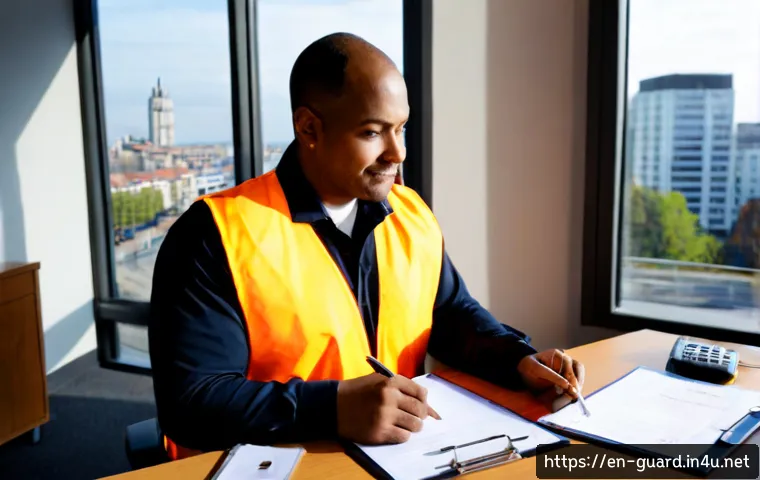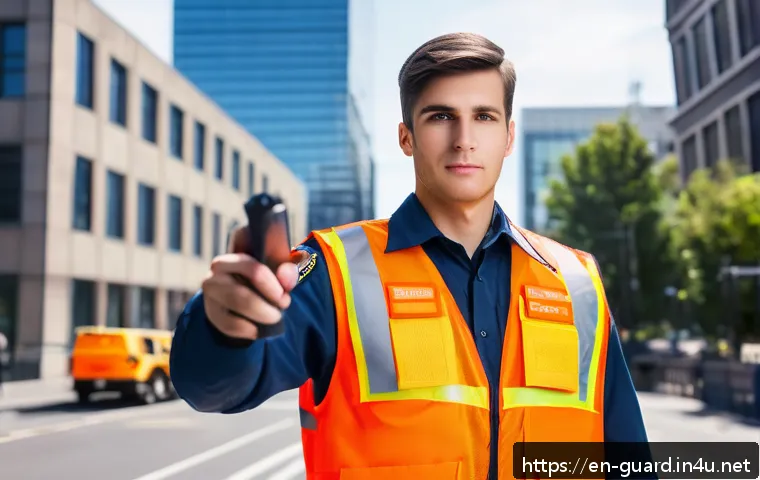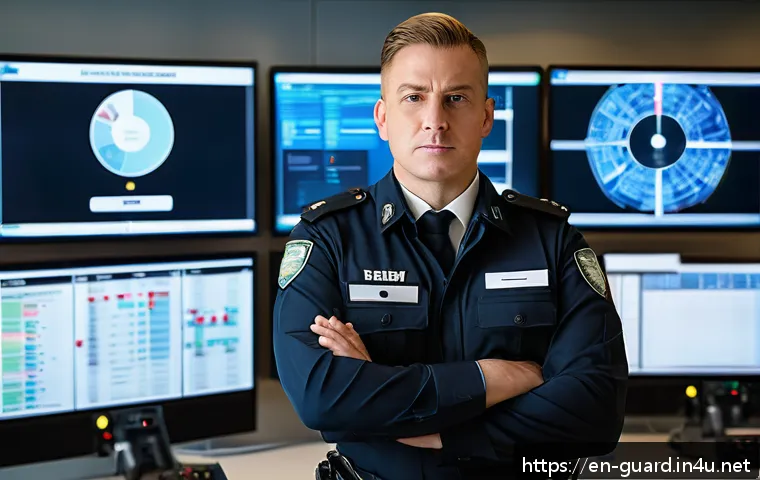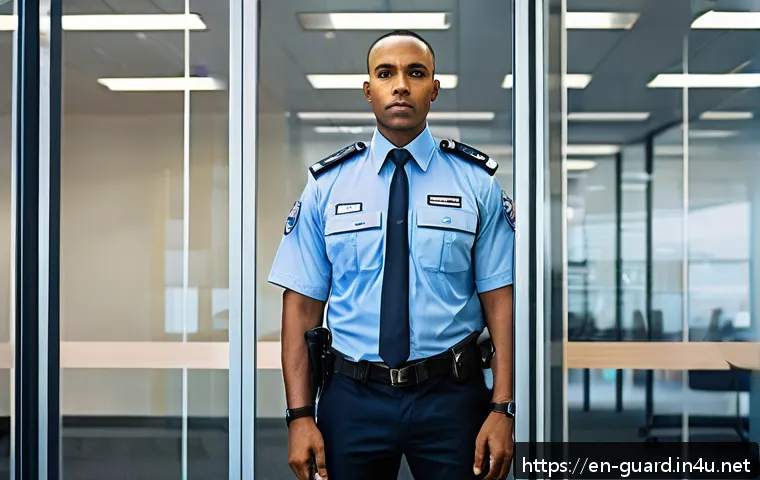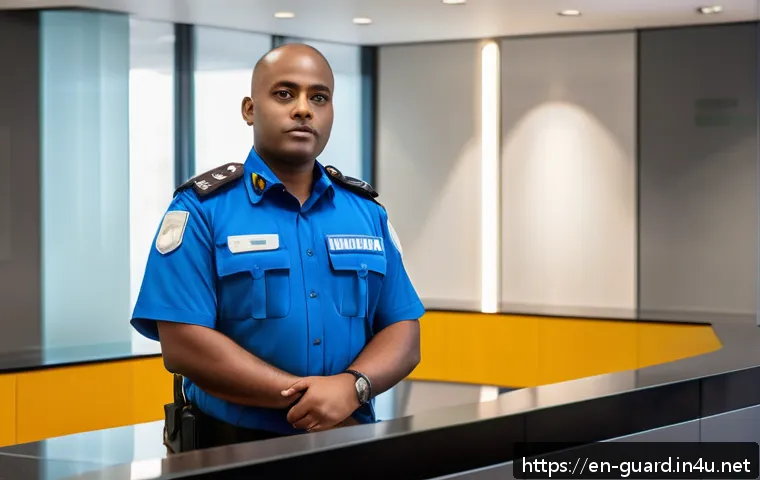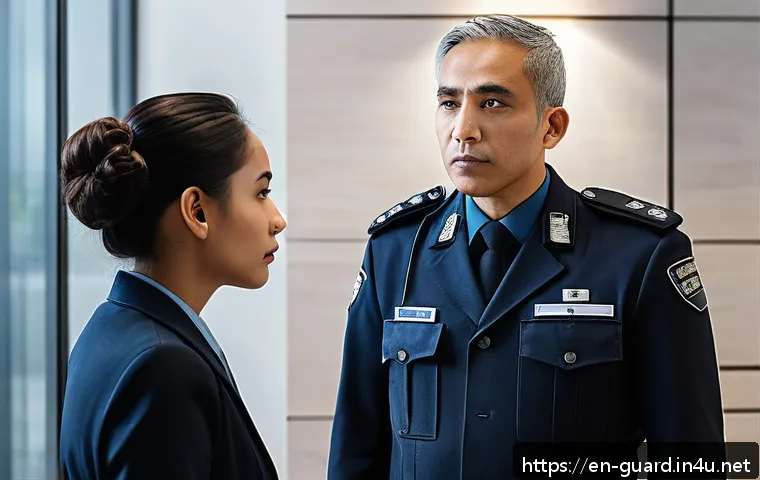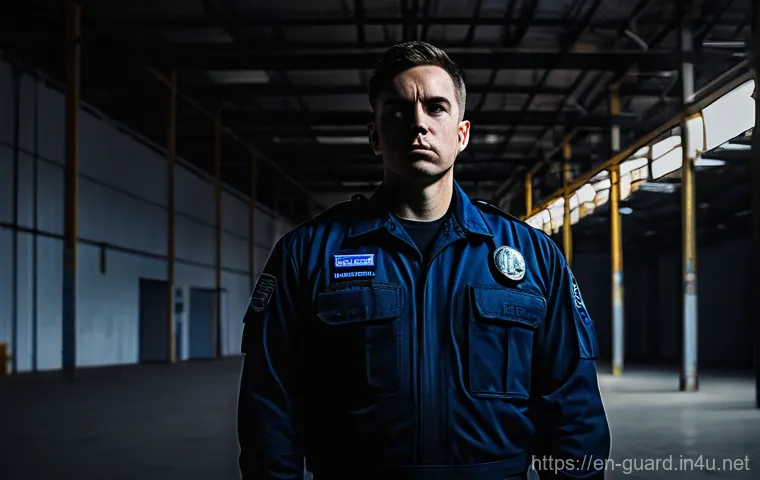
You see us everywhere, standing guard, a silent presence. Maybe you’ve thought our job is just about patrolling, keeping an eye out, or even just looking imposing.
But let me tell you, from years in the field, there’s a whole world of raw, unpredictable moments that unfold when you’re the one holding the line. My experiences have taught me that danger doesn’t always come in a dramatic movie scene; sometimes it’s the chilling silence of a vacant building at 3 AM or the sudden, adrenaline-fueled confrontation with someone who just won’t back down.
I’ve had my heart pound in my chest during tense standoffs, felt the weight of responsibility in split-second decisions, and walked away from shifts knowing I’d faced things most people only hear about in headlines.
It’s a job that demands constant vigilance and a readiness for anything. Protecting people and property isn’t always glamorous, but it’s always real. Wondering what it truly feels like to navigate those edge-of-your-seat scenarios?
Let’s dive deeper into this below.
The Unseen Pressures: Beyond the Patrol Route
Protecting people and property isn’t always glamorous, but it’s always real. It’s the subtle shifts in atmosphere, the gut feeling that something isn’t right, or the sheer exhaustion that creeps in after hours of heightened awareness. The uniform might project an image of calm, but underneath, there’s a constant hum of assessment and preparedness, ready to kick into high gear at a moment’s notice. This often goes unnoticed by those we protect, but it’s the very core of what we do, day in and day out, ensuring safety in a world that can be anything but predictable. It’s a demanding role that tests your resolve and sharpens your instincts, proving time and again that the real work often happens in the quiet moments of observation and anticipation.
The Mental Toll of Constant Vigilance
It’s funny how people often think the hardest part of security is the physical aspect, but honestly, it’s the mental game that truly wears you down. I remember one graveyard shift at a sprawling commercial complex; nothing happened, but the sheer effort of scanning every shadow, listening to every creak, and analyzing every distant light was draining. You’re constantly running through “what if” scenarios in your head. What if that alarm isn’t a false one this time? What if that person lingering by the fence has bad intentions? That kind of sustained hyper-awareness, day in and day out, can really take a toll. It’s like your brain is always on high alert, even when you’re off the clock, making it tough to truly relax. The responsibility of keeping others safe weighs heavily, and that constant pressure is something you learn to live with, but it never completely goes away.
Navigating Ambiguity and Gray Areas
One of the biggest challenges I’ve faced isn’t dealing with clear-cut threats, but rather the ambiguous situations where you have to make a call with limited information. Is that person loitering, or just waiting for a ride? Is that bag left unattended a hazard, or simply forgotten? I vividly recall a situation at a busy retail store where a customer was acting erratically, but hadn’t actually committed a crime. The store management wanted them removed, but without a clear legal basis, it became a delicate dance of de-escalation and persuasive communication. There’s no handbook for every single scenario, and you often find yourself in these gray areas, relying on your judgment, experience, and a hefty dose of intuition to navigate tricky situations without escalating them unnecessarily. It’s about understanding the spirit of the law and the property’s rules, while also exercising discretion and empathy.
When Silence Isn’t Golden: The Night’s Unsettling Calm
There’s a unique kind of tension that settles in during the late hours, especially when you’re working a night shift. The silence can be deceptive, often amplifying every tiny sound and making your imagination run wild. I’ve walked through countless dark, empty warehouses and office buildings where every echo seems to play tricks on your mind. You tell yourself it’s just the building settling, or the wind, but that primal part of your brain is always on alert, sensing something amiss. It’s not the dramatic, action-packed scenes you see in movies; it’s the slow burn of anticipation, the feeling that you’re alone with whatever might be lurking in the shadows. The absence of daytime hustle means that any unusual noise, any flicker of movement, stands out starkly, demanding immediate investigation. This quiet intensity forces you to rely on all your senses, turning mundane patrols into a constant exercise in observation and interpretation. It’s a testament to the job’s demands that even in apparent calm, the potential for unexpected events looms large, keeping you on your toes and ready for anything that might break the stillness. You learn to appreciate the calm, but never to truly trust it, because experience teaches you that trouble often announces itself with the quietest of whispers before erupting into chaos.
The Chilling Presence of the Unknown
I remember a particular night patrolling a vast, abandoned factory site. It was pitch black, except for my flashlight beam cutting through the dust-filled air. Every shadow seemed to stretch and contort, and the sounds of dripping water and distant wind felt magnified. Suddenly, I heard a distinct scraping sound from an upper floor. My heart jumped. Was it an animal? A trespasser? I had to investigate, slowly making my way through the labyrinthine corridors, every nerve ending screaming. It turned out to be nothing more than a loose metal sheet rattling in the wind, but in that moment, the unknown was a palpable, chilling presence. It’s those moments, when your mind conjures up every possible threat, that truly test your resolve and push you to confront your own fears head-on. It’s a constant reminder that even in the quietest moments, the potential for an unexpected and potentially dangerous encounter is always present, demanding your full attention and courage.
Responding to the “Just in Case”
A huge part of the job is preparing for the “just in case” scenarios, even when everything seems perfectly normal. I’ve spent hours reviewing emergency protocols, practicing first-aid, and familiarizing myself with building layouts, all in anticipation of an event that I hope never happens. There was a time I responded to a tripped fire alarm in the middle of the night at a high-rise office building. It was a false alarm, thankfully, but the immediate shift into emergency response mode – checking floors, ensuring everyone was evacuating, liaising with the fire department – was intense. These are the drills and preparations that pay off when the unexpected truly strikes. You learn to instinctively react, relying on your training to guide you through chaos. It’s about having a plan for every conceivable contingency, from medical emergencies to active threats, and being able to execute it flawlessly when the pressure is on. That readiness isn’t just about physical preparedness; it’s about mental fortitude, too, knowing that you’re the one who needs to remain calm and decisive when everyone else is panicking.
The Human Factor: Confrontations and Compassion
Working in security isn’t just about gates and alarms; it’s profoundly about people. And people, as we all know, are wonderfully, frustratingly unpredictable. I’ve encountered the full spectrum of human emotion, from genuine distress to outright aggression, all within a single shift. It teaches you to read body language, to listen beyond the words, and to understand that often, someone acting out is really just someone in pain or experiencing a crisis. This isn’t always easy, especially when you’re facing down an angry individual who sees you as the enemy, but approaching every interaction with a degree of understanding can make all the difference. It’s about finding that delicate balance between enforcing rules and offering a human connection, recognizing that everyone has a story, even if their current chapter is a difficult one. The job requires not just firmness, but also a deep well of patience and a willingness to see past the immediate conflict. It’s a constant lesson in psychology, requiring you to adapt your approach to each unique individual you encounter, often making split-second decisions about how to best de-escalate a volatile situation. This nuanced approach helps to build trust, even in adversarial moments, and often prevents minor issues from spiraling into major incidents, underscoring the critical role of human interaction in effective security work.
De-escalating the Heated Moment
I can recall countless instances where a situation looked like it was about to explode, but a calm, measured approach managed to bring it back from the brink. One time, I was dealing with a distraught individual who had been caught shoplifting. They were yelling, crying, and clearly overwhelmed. My first instinct, as trained, was to secure the situation, but I quickly realized that what they needed was not more confrontation, but a listener. I took a step back, lowered my voice, and just listened to their story. It wasn’t about excusing their actions, but acknowledging their distress. Slowly, the anger deflated, and we were able to resolve the situation peacefully. It’s a real art, knowing when to assert authority and when to simply be a calm presence, allowing someone to vent and then gently guiding them toward a solution. It often means taking a deep breath yourself and reminding yourself that your goal is a safe resolution, not a victory.
Finding Empathy in Unexpected Encounters
What truly sticks with you are the moments when you connect with someone on a human level, even if they started out as an antagonist. I once had to deal with a homeless man who was sleeping in a doorway of a bank building I was guarding. Technically, he was trespassing, but as I approached him, I noticed he looked incredibly ill. Instead of just moving him along, I stopped to talk, offered him a bottle of water, and called local outreach services. He was incredibly grateful, and while I still had to ensure the property was clear, the interaction wasn’t just about enforcement; it was about human dignity. These moments remind you that behind every incident, there’s a person, and sometimes, a little bit of unexpected compassion can make a world of difference. It’s a powerful reminder that our role isn’t just about rules, but about recognizing the shared humanity in every encounter.
Split-Second Decisions: The Weight on Your Shoulders
In this line of work, there are moments that demand immediate, decisive action. These aren’t just hypotheticals from a training manual; they are real-life scenarios where the safety of others, and sometimes your own, hinges on a choice made in an instant. The adrenaline surges, time seems to slow down, and every fiber of your being is focused on processing information and reacting effectively. I’ve had to decide whether to intervene immediately in a physical altercation, or to wait for backup while maintaining a safe distance. I’ve had to assess if a suspicious package posed a genuine threat or was merely misplaced. The weight of these decisions can be immense. There’s no time for second-guessing in the moment; you rely on your training, your gut instinct, and every ounce of experience you’ve accumulated. It’s a profound responsibility, knowing that a single choice can have far-reaching consequences, and it demands a mental toughness that few other jobs require. After the dust settles, you often replay those moments in your mind, analyzing every detail, always striving to learn and refine your judgment for the next time, because you know there will always be a next time. The ability to remain calm under extreme pressure and to think clearly when chaos erupts is not something you’re born with; it’s forged through countless hours of preparation and real-world trials, making every incident a lesson in resilience and critical thinking.
Training vs. Instinct: Real-World Scenarios
They teach you a lot in training – protocols, procedures, legal boundaries. But I’ve learned that when you’re in the thick of a rapidly unfolding situation, sometimes your raw instinct kicks in, guiding you faster than any textbook could. I recall a disturbance at a public event where a fight broke out. My training told me to secure the perimeter and call for backup. But as I saw the situation escalating, with innocent bystanders potentially in danger, my instinct told me to create a barrier, to physically separate the aggressors from the crowd while waiting for support. It wasn’t exactly by the book, but it felt right, and it worked. It’s about merging your learned knowledge with that intrinsic awareness that comes from experience, trusting your gut when seconds count. You gain a respect for how both structured training and lived experience combine to form a more complete, effective response strategy.
The Aftermath: Processing High-Stress Incidents
After a high-stress incident, whether it’s a confrontation, a medical emergency, or even a serious accident, the immediate danger might be over, but the work isn’t. The adrenaline crash can be brutal, leaving you feeling shaky and drained. I’ve learned the importance of debriefing, talking through what happened with colleagues, and even just taking a quiet moment to myself to process everything. It’s crucial for mental well-being to acknowledge the emotional impact of these events. I remember a particularly intense situation where I had to administer first aid until paramedics arrived. Afterward, I felt a deep sense of relief, but also a lingering tremor. Sharing that experience with a trusted colleague helped me to ground myself and process the heavy emotions. It’s a reminder that we’re all human, and taking care of our mental health is just as important as our physical safety in this demanding profession.
The Tech Edge: Tools That Make a Difference
In this modern age, the landscape of security isn’t just about boots on the ground; it’s increasingly about the technology in our hands and at our disposal. When I first started, a good flashlight and a reliable radio were the height of innovation. Fast forward to today, and we’re leveraging everything from high-definition surveillance cameras that can zoom in on a license plate from a mile away, to sophisticated access control systems that track every entry and exit. These tools aren’t just gadgets; they’re force multipliers, enhancing our ability to observe, detect, and respond more effectively than ever before. It’s changed the game, allowing us to cover more ground, react faster, and even prevent incidents before they escalate. Embracing these technological advancements means we can provide a higher level of protection, not just by being physically present, but by intelligently monitoring and managing vast areas with precision. This integration of tech transforms the job, making it more strategic and less reliant solely on sheer manpower, allowing for smarter, more efficient security operations that truly make a difference in safeguarding people and property. The learning curve is constant, but the benefits of staying current with these innovations are undeniable, proving that the future of security is firmly intertwined with technological progress and intelligent application.
Leveraging Surveillance and Communication
I can’t stress enough how much modern surveillance systems have changed my day-to-day. I remember a time when catching a perpetrator often meant relying on grainy images or eyewitness accounts. Now, with high-res cameras and intelligent analytics, we can often track movements, identify individuals, and gather crucial evidence with incredible clarity. I once used a camera system to help police identify a suspect who had vandalized property, providing clear footage that led to a swift arrest. And communication? Handheld radios are still essential, but encrypted apps and networked systems mean instant, secure communication with my team and other agencies, ensuring a coordinated response to any developing situation. This synergy of visual data and rapid communication is invaluable, allowing us to be proactive rather than just reactive.
When Gadgets Save the Day (or Night)
It’s not just the big, complex systems; sometimes it’s the simpler tech that makes all the difference. I’ve had situations where a body camera provided indisputable evidence during a disputed incident, protecting both the client and myself. Or the GPS trackers on vehicles that helped locate stolen assets quickly. Even something as seemingly minor as a reliable, long-lasting tactical flashlight can be a game-changer on a dark patrol, illuminating hidden dangers and deterring potential threats. These tools aren’t just conveniences; they’re vital components of our personal safety and effectiveness, allowing us to perform our duties with greater confidence and accuracy. They become extensions of our own senses, making us more aware and capable in unpredictable environments.
| Aspect of Security | Traditional Approach | Modern Approach with Tech |
|---|---|---|
| Surveillance | Manual patrols, static guard posts | CCTV with AI analytics, remote monitoring, drone patrols |
| Communication | Two-way radios, landlines | Encrypted apps, networked systems, instant messaging |
| Response Time | Dependent on physical presence | Sensor-triggered alerts, rapid deployment based on real-time data |
| Evidence Collection | Eyewitness accounts, basic reports | High-definition video, audio recordings, digital logs |
| Access Control | Keys, manual logbooks | Biometric scanners, RFID, smart card systems, remote management |
Staying Sharp: Continuous Learning in a Dynamic Field
You might think that once you’ve been in security for a few years, you’ve seen it all, and there’s nothing new to learn. But let me tell you, that couldn’t be further from the truth. The world is constantly evolving, and with it, the types of threats we face and the methods we use to counter them. From new technologies emerging every year to shifting criminal tactics, staying stagnant in this profession is simply not an option. I’ve personally committed to regular training, attending workshops, and even just keeping up with industry news, because what worked effectively five years ago might be completely obsolete today. This commitment to continuous learning isn’t just about professional development; it’s about ensuring I can provide the best possible protection, adapting my skills and knowledge to meet the challenges of an ever-changing environment. It’s a humbling experience to realize that no matter how much experience you accumulate, there’s always more to discover, always a new technique to master, and always a different perspective to consider. This dynamic nature keeps the job fresh and challenging, pushing you to constantly refine your expertise and maintain a proactive stance against emerging risks. Without this dedication to growth, we risk falling behind, and that’s a luxury we simply cannot afford when people’s safety is on the line, emphasizing that true mastery in security is a journey, not a destination.
Adapting to Evolving Threats
I’ve seen firsthand how criminal methods change. What used to be simple break-ins are now sophisticated cyber-attacks or organized retail theft rings. This means our understanding of security can’t be static. I remember when drone technology first became accessible; suddenly, we had to consider aerial surveillance as a potential threat vector for illicit activities or even property damage. I had to learn about counter-drone measures and how to detect unauthorized aerial incursions. It’s a constant game of cat and mouse, and if you’re not learning and adapting, you’re already behind. Staying proactive means staying informed about the latest vulnerabilities and developing strategies to mitigate them before they become a problem for the clients we protect.
The Importance of Peer Support and Mentorship
One of the most valuable resources in this profession isn’t a piece of equipment or a training manual; it’s your fellow security professionals. I’ve learned so much from experienced colleagues, both through formal mentorship and informal conversations over a coffee break. There was a time I was grappling with a particularly challenging internal investigation, and a veteran guard shared an anecdote about a similar case, offering insights I hadn’t considered. That kind of peer support, sharing war stories and best practices, is invaluable. It not only helps you grow professionally but also provides a vital emotional outlet for the stresses of the job. Knowing you’re part of a community that understands the unique pressures and responsibilities makes a huge difference, making you feel less alone when facing the tough realities of security work.
Wrapping Up My Thoughts
As I reflect on the years I’ve spent walking these lines, facing the unexpected, and standing guard, I truly hope these stories have given you a deeper understanding of what security work genuinely entails. It’s far more than just a job; it’s a constant test of character, a commitment to vigilance, and often, a profound lesson in humanity. My journey has been filled with moments that stretched me to my limits and others that filled me with immense purpose. It’s a privilege to contribute to a sense of safety, and I wouldn’t trade the hard-won lessons for anything. Thank you for joining me on this honest look behind the uniform.
Practical Insights From My Journey
1. Respect Goes a Long Way: You know, it’s something I’ve seen time and again out there in the field. So often, people view security personnel as just part of the furniture, or even worse, as an obstacle. But let me tell you, we’re real people with real feelings, often dealing with intense, high-stress situations behind that uniform. A simple “hello,” a clear “thank you,” or just engaging with us politely when we ask a question can utterly transform an interaction. I’ve had situations de-escalate purely because someone showed a bit of human decency and respect. It’s not about us expecting deference, but about fostering a cooperative environment. When you approach us with understanding, it makes our job of keeping everyone safe so much easier, and honestly, it makes our day. It’s a two-way street, and a little bit of mutual respect can really go a long way in making everyone feel more secure and valued in public spaces, turning what could be an adversarial encounter into a productive exchange. So, next time you see someone in security, remember they’re there to help, and a friendly nod can truly make a difference to their day, and potentially yours. It truly impacts our ability to perform effectively when we feel that partnership, rather than outright resistance.
2. Trust Your Gut Instincts: This is a big one, and something I always tell my friends and family. While we, as security professionals, are trained to spot anomalies, subtle behavioral cues, or out-of-place objects, your own internal alarm system is incredibly valuable. If you’re somewhere and a situation, a person, or even just an atmosphere feels “off” to you – don’t ignore it. That primal instinct is there for a reason. I’ve heard countless stories, and have even experienced a few myself, where a civilian’s gut feeling led to the prevention of a larger incident. It’s always better to over-report something that turns out to be nothing than to dismiss a genuine threat. Whether it’s an unattended bag, someone loitering suspiciously, or an unusual noise, please, if it niggles at you, report it to security or law enforcement. You’re not being paranoid; you’re being vigilant, and that kind of community awareness is an invaluable layer of protection for everyone involved. Your observation could be the critical piece of information that helps us keep the environment safe and secure, potentially averting a serious problem before it even fully materializes. Always err on the side of caution when your internal alarm bells start ringing.
3. Technology is a Partner, Not a Replacement: When you see all the high-tech gadgets and sophisticated surveillance systems we use these days, it’s easy to think that security is becoming fully automated. But I can tell you from countless shifts that while technology is an incredible force multiplier, it’s not a standalone solution. Those high-definition cameras, smart sensors, and access control systems are only as effective as the human eyes, brains, and hearts behind them. It takes a person to interpret ambiguous data, to exercise empathy in a tense situation, or to make a split-second ethical judgment that no algorithm can replicate. I’ve used advanced tech to pinpoint an issue, but then it’s always been my boots on the ground, my voice, and my training that ultimately resolved the situation. So, while we celebrate the advancements, always remember that the human element of security – the experience, the intuition, and the ability to connect – remains absolutely irreplaceable. It’s the synergy between human and machine that creates truly robust protection, allowing us to leverage both intelligence and compassion for optimal outcomes.
4. Preparedness Isn’t Just for Professionals: You don’t have to be wearing a uniform to understand the immense value of being prepared. In fact, I often find myself thinking, “If only more people knew this…” It’s about more than just having an emergency kit in your car; it’s about situational awareness. Do you know where the emergency exits are in your workplace or a public venue? Do you have a basic understanding of what to do in a medical emergency or a fire? Even a simple mental walkthrough of “what if” scenarios can equip you with valuable response patterns. Learning basic first aid, knowing how to call for help effectively, or having a designated meeting spot for your family can make a profound difference when chaos strikes. These aren’t skills reserved for those of us in uniform; they’re life skills that empower you to protect yourself and those around you. Being proactive in your personal safety planning means you’re not just a bystander, but an active participant in creating a safer community, reducing panic and fostering quicker, more effective responses when emergencies unfold. Your readiness can be a lifeline for yourself and others.
5. The Mental Game is Real: This is a deeply personal insight I want to share, especially for anyone considering a career in security, or even just anyone dealing with high-stress roles. Everyone sees the physical demands, the long hours, and the occasional confrontation. But the silent, relentless pressure is often mental. The constant vigilance, the burden of responsibility for others’ safety, and the exposure to difficult situations can take a serious toll on your mental well-being. I’ve learned, sometimes the hard way, that debriefing after an intense incident, having a strong support system of colleagues or friends, and making time for self-care are absolutely non-negotiable. Don’t let anyone tell you to just “suck it up.” Acknowledging the emotional impact of the job is a sign of strength, not weakness. Maintaining mental resilience is just as critical as physical fitness, ensuring you can sustain your effectiveness and well-being in a profession that demands so much from you, day in and day out. It’s an ongoing process of self-assessment and adaptation, requiring you to actively safeguard your mind just as you would your body. Prioritize your inner peace; it’s essential for longevity in this demanding career.
The Core Message
Ultimately, my hope is that this deep dive into the world beyond the patrol route leaves you with a profound appreciation for the multifaceted nature of security. It’s a field where technology meets human intuition, where strength is balanced with empathy, and where unwavering vigilance is a silent promise. It’s about dedicated individuals committed to protecting what matters most, often navigating unseen pressures and making critical decisions in the blink of an eye. The uniform is just the beginning; the real work lies in the constant dedication, the continuous learning, and the human spirit that stands ready to face the unpredictable with courage and compassion. Stay safe, stay aware, and remember the quiet heroes who help make our world a little more secure every single day.
Frequently Asked Questions (FAQ) 📖
Q: What’s the biggest misconception people have about being a security guard, and what’s the reality you’ve personally faced?
A: Oh, this is a classic! Most people picture us like characters in a movie, either lazily sitting in a booth watching monitors or bravely tackling armed criminals every other day.
The biggest misconception, hands down, is that our job is mostly boring, punctuated by the occasional dramatic event. But let me tell you, from years on the ground, the reality is far more nuanced, and frankly, often more unsettling than a clear-cut movie scene.
It’s not about the big, flashy moments as much as it is about the constant, simmering tension and the silent battles you fight within yourself. I remember one night, working a graveyard shift in a supposedly quiet office building.
Every creak, every shadow played tricks on my mind. It wasn’t an intruder, but the sheer isolation and the weight of being the only one responsible for everyone’s safety in that vast, empty space.
That’s a different kind of danger, you know? It’s the constant vigilance required, the mental gymnastics of running through “what if” scenarios, and the adrenaline spikes from something as simple as a door alarm mistakenly triggered, forcing you to sprint through dark corridors, heart pounding.
The reality is a blend of intense boredom and sudden, heart-stopping moments that demand your absolute best, often with no one else around to witness it.
It’s a silent, internal vigilance that really defines the job for me.
Q: You mentioned “raw, unpredictable moments.” Can you share an example of a time you had to make a split-second decision that truly tested your limits, and what was going through your mind?
A: Absolutely. There’s one incident that still sends a shiver down my spine, even years later. I was working retail security, and a shoplifter, who we’d been discreetly observing, suddenly made a run for it.
But this wasn’t just a simple chase. As he burst out the door, he pulled out a small knife, not to attack me, but to slash at the display merchandise near the exit in a fit of rage, creating a chaotic scene and putting bystanders at risk.
In that split second, my training kicked in, but my gut was screaming. My mind raced: do I pursue directly and risk escalating the situation with a weapon involved, potentially endangering others, or do I prioritize containing the immediate threat to the customers?
I decided against a full-on tackle. Instead, I quickly put myself between him and the closest shoppers, shouting commands to him and warning bystanders to get back, creating a barrier while also keeping eyes on his hands.
It felt like an eternity, but it was probably only a few seconds before he, startled by the sudden confrontation and the attention, dropped the knife and fled.
My heart was pounding so hard I could hear it. The weight of that decision, that swift calculation of risk, and the immediate need to protect innocent people over recovering stolen goods, stays with you.
It’s a moment where you realize your responsibility isn’t just to property, but truly to human lives, and that’s a heavy burden to carry, but also a powerful motivator.
Q: How do you personally handle the emotional and psychological toll of constantly being “on guard” and facing potential danger? What keeps you going?
A: That’s a really insightful question, and honestly, it’s something every security professional has to figure out for themselves. Being constantly “on guard” can be incredibly draining.
There’s a persistent low hum of anxiety that accompanies you, a readiness for the worst, even on the quietest shifts. For me, what keeps me going, what helps me manage that emotional toll, is a few things.
First, the camaraderie. Even if you’re alone on a shift, knowing there’s a team, a community of people who understand exactly what you’re facing, is huge.
We share stories, vent frustrations, and offer advice. It’s like a silent understanding. Second, having a solid routine outside of work is critical.
I make sure to hit the gym, spend quality time with friends and family, and engage in hobbies that are completely unrelated to security – things that let my mind switch off and decompress.
I’ve found that having a strong mental separation between work and personal life is essential for maintaining sanity. And finally, and perhaps most importantly, it’s the sense of purpose.
When you walk away from a shift, especially after a challenging one, knowing you’ve kept people safe, protected property, or de-escalated a potentially volatile situation, there’s a deep, quiet satisfaction.
It’s not glamorous, it’s not always appreciated, but that feeling of making a tangible difference, of being that silent guardian, is what truly motivates me to come back and do it all again.