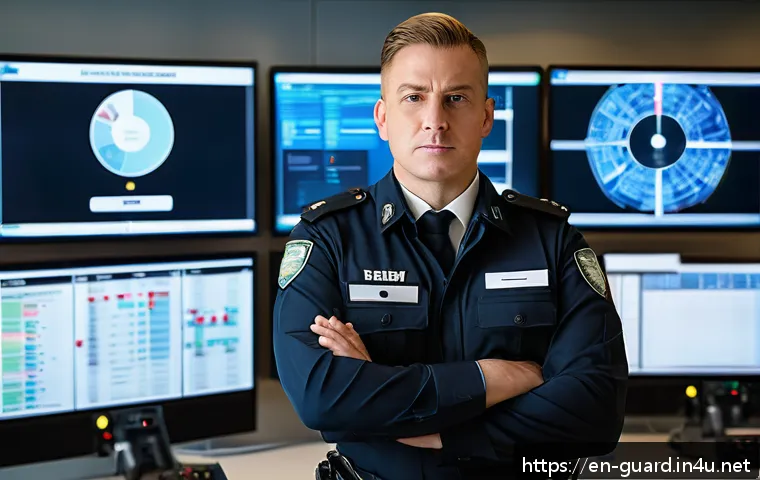
You know, when most people think about a career in security, they often picture a very specific image. But let me tell you, the entire landscape of professional protection has completely transformed right before our eyes!
We’re living in an era where safeguarding people, property, and information demands far more than just a watchful gaze; it requires razor-sharp strategic thinking, a mastery of cutting-edge technology, and an unwavering commitment to excellence.
I’ve been so incredibly inspired by the incredible individuals who haven’t just adapted to these shifts, but have truly excelled, turning their roles into powerful, impactful, and seriously rewarding careers.
It’s about being proactive, spotting risks before they even emerge, and becoming an indispensable guardian in our increasingly complex world. If you’re curious about how these unsung heroes are leveling up and achieving remarkable success, you’re definitely in for a treat!
Let’s dive in and uncover their secrets.
Redefining the Role: Beyond the Traditional Uniform

More Than Just Guards: Strategic Assets
You know, when I first started looking into the security field, like many, I probably had a somewhat traditional view of what a “security professional” entailed. But boy, was I wrong! What I’ve seen firsthand is a complete evolution. Today’s top security professionals aren’t just patrolling perimeters or monitoring CCTV screens; they’re becoming integral strategic assets within organizations. They’re sitting in boardrooms, contributing to high-level risk management discussions, and shaping the very policies that protect a company’s most valuable resources—its people, its intellectual property, and its reputation. This shift requires a whole new skillset, moving from a purely reactive stance to a much more proactive, advisory role. It means understanding business operations, legal frameworks, and even human psychology to anticipate threats before they materialize. I’ve often thought about how much more impactful this approach is, and it truly makes a difference in preventing incidents rather than just responding to them. The old image is fading, replaced by a dynamic, intelligent, and highly respected professional. In 2025, security professionals are seen as proactive problem-solvers and effective communicators, not just vigilant eyes.
The Rise of the Security Consultant
One of the most exciting trends I’ve observed is the significant rise of independent security consultants. These aren’t just individuals who couldn’t find a job elsewhere; these are highly sought-after experts who bring specialized knowledge to a variety of clients. They might be advising on physical security upgrades for a sprawling corporate campus, developing bespoke cybersecurity protocols for a tech startup, or even conducting threat assessments for high-net-worth individuals. What makes them so valuable, I believe, is their ability to offer an objective, external perspective, free from internal biases. They’re often tasked with identifying vulnerabilities that internal teams might overlook or addressing complex challenges that require a fresh pair of eyes and a deep well of experience. Their work is incredibly diverse and intellectually stimulating, offering a pathway for those who thrive on problem-solving and crave variety in their professional lives. It’s a testament to how specialized and respected this field has become, moving away from a ‘one-size-fits-all’ approach.
Mastering the Digital Frontier: Cybersecurity’s New Guardians
The Crucial Shift to Cyber Expertise
Honestly, if you’re in security today and not thinking about cybersecurity, you’re missing a huge piece of the puzzle. The world has gone digital, and so have the threats. We’re talking about ransomware, phishing, zero-day attacks—it’s a whole new battlefield. What I’ve personally seen is a massive boom in demand for professionals who can protect sensitive data, and that means diving deep into advanced, specialized cybersecurity skills. Companies are literally racing to build resilient security teams, but there’s a serious talent shortage. This isn’t just about blocking hackers; it’s about understanding complex network architectures, securing cloud environments on platforms like AWS and Azure, and even integrating security into software development from the get-go. I remember a conversation with a seasoned physical security director who was retraining in cloud security; he told me, “It feels like learning a new language, but it’s absolutely essential to stay relevant.” That really stuck with me.
AI and Machine Learning: Our New Allies
It’s no secret that AI and machine learning are revolutionizing nearly every industry, and security is definitely no exception. I’ve been so incredibly impressed by how these technologies are enhancing our ability to detect and respond to threats. Think about it: AI-powered systems can analyze video feeds in real-time, sifting through hours of footage to spot suspicious activities far faster than any human could. This frees up security officers to focus on critical tasks, which, in my experience, makes a huge difference in overall effectiveness. We’re also seeing AI used for predictive analytics, assessing patterns to anticipate potential security threats before they even emerge. It’s not about AI replacing humans, but about it becoming an invaluable tool that makes us smarter and more proactive. In fact, by 2025, it’s predicted that 60% of organizations will be using advanced data analysis and machine learning to bolster their defenses. It’s truly exciting to witness this convergence of human expertise and artificial intelligence.
The Art of Proactive Protection: Intelligence and Risk Assessment
Spotting Risks Before They Strike
In my journey through the security landscape, one thing has become crystal clear: waiting for something bad to happen is no longer an option. The true maestros of modern security are the ones who can look around corners, anticipating threats and vulnerabilities before they ever materialize. This proactive approach is built on a foundation of sharp intelligence gathering and meticulous risk assessment. I mean, we’re talking about deeply understanding an organization’s assets—its people, data, physical locations, and even its reputation—and then identifying every conceivable way those assets could be compromised. This involves everything from analyzing geopolitical shifts and economic trends to understanding local crime patterns and even individual behavioral indicators. It’s a fascinating blend of detective work, analytical thinking, and a profound understanding of human nature. This shift is something I deeply connect with, as it embodies the true spirit of safeguarding.
Developing Robust Risk Management Strategies
Once those potential risks are identified, the real work of crafting resilient strategies begins. It’s not just about pointing out problems; it’s about providing actionable, intelligent solutions. This often involves developing comprehensive risk management frameworks that integrate both physical and cyber security measures. I’ve found that the most successful professionals in this area are brilliant at translating complex threats into clear, understandable language for leadership, helping them make informed decisions about where to invest resources. This includes conducting regular vulnerability scanning, ensuring secure configurations, discovering sensitive data, and implementing ransomware and breach protection. There’s a huge demand for those who can quantify cyber risk in monetary terms, making it easier for business leaders to prioritize investments. It’s about building layers of defense that are constantly tested, refined, and adapted to an ever-changing threat landscape.
Navigating the Convergence of Physical and Cyber Security
Breaking Down the Silos
You know, for the longest time, physical security and cybersecurity were treated like two entirely separate worlds, operating in their own little bubbles. But if there’s one thing I’ve seen accelerate dramatically, it’s the blurring of those lines. A physical breach can absolutely be the precursor to a cyberattack, and a cyber breach can, in turn, compromise physical defenses. This isn’t just theory; we’ve seen real-world examples, like the Colonial Pipeline attack, where a single compromised password led to widespread physical disruption. My own experience has shown that organizations that maintain these silos are leaving themselves incredibly vulnerable. It’s like having two halves of a shield that don’t quite fit together. What truly makes a difference is a unified, holistic approach where teams communicate, collaborate, and cross-train, understanding that every entry point – whether a locked door or a network firewall – is part of the same defense.
Integrated Solutions for a Unified Defense
The good news is that this understanding is leading to some seriously innovative integrated security strategies. I’m talking about systems that monitor who enters a building and what’s happening on the network simultaneously, allowing for incredibly rapid detection and response to any unusual activity. This convergence isn’t just about technology; it’s about people. Cross-training security personnel to understand both cyber and physical threats creates a much more agile and responsive security posture. Investing in integrated security infrastructure – where surveillance cameras, network firewalls, and data encryption protocols all “speak the same language of protection” – is becoming absolutely critical. This provides better communication, more efficient budgeting, and a stronger overall security stance, making organizations far more resilient against the sophisticated hybrid attacks we’re seeing today.
Essential Skills for Today’s Security Professional
Developing a Hybrid Skillset
If you’re aspiring to truly thrive in security today, or even if you’re a veteran looking to stay sharp, the demand for a hybrid skillset is undeniable. It’s no longer enough to be brilliant at just one thing. Employers are actively seeking professionals with advanced analytical and problem-solving skills, capable of interpreting security logs and analyzing cyber threats. You need to be adaptable and flexible, ready to quickly adjust to new situations, protocols, and technologies, because the landscape is always shifting. From my perspective, the ability to communicate complex security concepts to non-technical stakeholders is also invaluable. It’s about being a translator, an educator, and a protector all rolled into one. Technical expertise combined with critical soft skills like collaboration, cultural intelligence, and emotional resilience are the hallmarks of a truly impactful security professional.
Certifications and Continuous Learning: Your Competitive Edge

I can’t stress this enough: continuous learning is not just a buzzword in security; it’s a necessity. The threats are evolving daily, and so must our knowledge. Staying up-to-date with cybersecurity certifications and best practices is absolutely essential for career growth. We’re talking about things like ethical hacking, penetration testing, and incident response certifications. The more training a security professional receives, the more diverse their opportunities become. Reputable training institutions offer courses written by industry experts, designed to advance your security career. I’ve always believed that investing in yourself through education is the best investment you can make, especially in a field as dynamic as security. It’s your competitive edge, your armor against complacency, and your pathway to unlocking those exciting, high-impact roles.
Building a Powerful Professional Brand: The Influential Security Expert
Leveraging Your Expertise for Impact
In today’s interconnected world, simply being good at your job isn’t always enough to reach the highest levels of influence and opportunity. What I’ve seen among the most successful security professionals is a real knack for building a personal brand around their expertise. This means more than just having a LinkedIn profile; it means actively sharing your insights, perspectives, and real-world experiences. When you consistently offer valuable content—whether it’s through blog posts, speaking engagements, or even just thoughtful comments in online forums—you establish yourself as a thought leader. I’ve personally found that the act of articulating my thoughts for an audience actually deepens my own understanding of complex topics. It’s a virtuous cycle. It also opens doors to incredible networking opportunities and collaborations that you might never have otherwise encountered.
Monetizing Your Knowledge and Influence
Beyond traditional career paths, there’s a fascinating and growing opportunity for security professionals to monetize their knowledge and influence. Think about it: if you’re seen as a trusted expert, companies and individuals will seek your advice. This could take the form of specialized consulting gigs, developing and delivering training programs, or even creating premium content for a niche audience. I know several cybersecurity experts who are now charging for in-depth workshops or offering subscription-based threat intelligence reports. The key is to genuinely educate your audience and build that trust and credibility. When you solve real problems for people, whether it’s through free advice or paid services, the revenue follows naturally. It’s about leveraging your hard-earned experience to create value in new and exciting ways, moving beyond the traditional salary structure to a more entrepreneurial model.
Key Trends Shaping the Future of Security Careers
The Growing Demand for Specialized Roles
Looking ahead, one of the most exciting aspects of the security industry is the sheer growth and diversification of specialized roles. It’s truly a dynamic time to be in this field! We’re seeing an increasing demand for security personnel, driven by rising concerns over safety across public and private sectors. But it’s not just more jobs; it’s more *types* of jobs. I’ve noticed a significant uptick in roles like AI Security Specialist, Blockchain Security Analyst, IoT Security Engineer, and Threat Intelligence Analyst. These positions require an interdisciplinary blend of IT security knowledge with specialized technical expertise. For instance, securing IoT devices isn’t just a niche anymore; it’s a necessity to prevent data breaches and operational chaos. This means that professionals who can drill down into a specific area and become truly expert in it will find themselves highly sought after.
Adaptability in a Rapidly Evolving Threat Landscape
The constant evolution of threats is perhaps the most defining characteristic of modern security. What was a cutting-edge defense yesterday might be old news tomorrow. That’s why adaptability isn’t just a nice-to-have skill; it’s absolutely fundamental. As an influencer in this space, I often tell people that complacency is our biggest enemy. Professionals need to be able to quickly adjust to new technologies, protocols, and ever-changing attack vectors. This means not only staying informed about the latest cyber threats but also understanding how social media platforms and other service providers are updating their features to combat them. It’s a continuous learning journey, a commitment to staying one step ahead. Those who embrace this dynamic environment, always seeking to learn and adapt, are the ones who will truly excel and lead the way in safeguarding our increasingly complex world.
Essential Tools and Technologies for Modern Security Professionals
Leveraging Advanced Surveillance and Access Control
It’s truly incredible how much technology has transformed the day-to-day work of security professionals. Gone are the days of just a few cameras and a watchful eye. Today, we’re talking about sophisticated surveillance systems that feed live, real-time data straight to handheld devices, allowing for instant threat detection and rapid response. And it’s not just about watching; it’s about smart access control systems that integrate biometric identification, ensuring only authorized personnel can enter sensitive areas. My experience tells me that mastering these tools isn’t optional; it’s absolutely essential. Digital incident logs, security databases, and advanced analytics platforms are now standard, demanding sharp computer skills from every security professional. It all adds up to spotting threats faster, responding quicker, and ultimately, protecting more effectively.
The Power of Integrated Security Management Software
What truly ties all these technological advancements together, from my perspective, is integrated security management software. This isn’t just a fancy tool; it’s the backbone of modern security operations. Imagine a system that streamlines everything: scheduling, communication between team members, incident reporting, and even performance evaluations. This kind of software significantly reduces administrative burdens, freeing up security teams to focus on their core mission: ensuring safety. With real-time data at your fingertips, you can adapt to emerging situations, track incidents as they happen, and maintain constant communication, whether you’re overseeing a single site or multiple locations. It’s a game-changer for efficiency and effectiveness, allowing security professionals to execute their duties with precision and confidence.
| Key Skill Area | Why It’s Critical in 2025 | Example Applications |
|---|---|---|
| Cloud Security Expertise | Businesses are rapidly migrating to cloud platforms (AWS, Azure, Google Cloud), creating new vulnerabilities that require specialized protection. | Securing cloud infrastructure, identity access management, cloud compliance. |
| Threat Detection & Incident Response | Cyberattacks are becoming more frequent and sophisticated, demanding real-time response and root cause analysis. | Using SIEM tools, automated threat detection, malware analysis, digital forensics. |
| Analytical & Problem-Solving | Interpreting vast amounts of security data, identifying attack patterns, and predicting vulnerabilities. | Analyzing security logs, evaluating cyber threats, optimizing defense strategies. |
| Conflict Resolution & Emotional Intelligence | Navigating tense situations and managing altercations without escalation is paramount in public-facing roles. | De-escalation techniques, managing disagreements between individuals, maintaining calm under pressure. |
| Physical & Cyber Convergence | The lines between physical and digital threats are blurring, requiring a holistic approach to security. | Integrating surveillance with network monitoring, cross-training teams, unified risk management. |
Wrapping Up
Wow, what a journey we’ve taken through the fascinating and ever-changing world of security professionals! Reflecting on everything we’ve discussed, from the shift beyond traditional uniforms to mastering the digital frontier and building a powerful personal brand, it’s clear that this isn’t just a job anymore; it’s a calling for those who thrive on problem-solving and proactive protection. I truly hope that diving into these trends and tips has given you a clearer picture of where the industry is headed and how you can position yourself to not just survive, but truly flourish. It’s an exciting time, filled with immense opportunities for those willing to learn, adapt, and lead.
Good to Know
1. Network Actively: Don’t underestimate the power of connections. Attend industry events, join professional groups, and engage with thought leaders online. You never know where your next big opportunity will come from, and a strong network is invaluable for insights and career progression.
2. Embrace Soft Skills: While technical knowledge is crucial, remember that communication, emotional intelligence, and leadership are equally vital. Being able to explain complex concepts clearly and de-escalate tense situations can set you apart in any security role.
3. Stay Certification-Ready: The security landscape evolves constantly. Make a commitment to continuous learning and pursue certifications that are recognized in the industry, like CISSP, CompTIA Security+, or Certified Ethical Hacker, to keep your skills sharp and your resume strong.
4. Think Holistically: Whether your focus is physical or cyber, understand how both intersect. Modern threats often bridge these gaps, so a unified perspective on security will make you a far more effective and valuable asset to any organization.
5. Consider Niche Specializations: The demand for highly specialized roles is growing. Look into areas like IoT security, cloud forensics, or AI-driven threat intelligence. Developing expertise in a niche can open doors to unique and high-impact career paths.
Key Takeaways
The modern security professional is far more than just a guardian; they are a strategic asset, a proactive problem-solver, and a continuous learner. The industry demands a blend of advanced technical skills, especially in cybersecurity and AI, combined with strong analytical and communication abilities. Breaking down the silos between physical and cyber security is critical for a unified defense. Ultimately, cultivating a powerful personal brand through shared expertise and committing to lifelong learning are the cornerstones of a successful and impactful career in this dynamic field.
Frequently Asked Questions (FAQ) 📖
Q: The way you describe it, security sounds incredibly dynamic now. What exactly are the key differences between the ‘old’ security roles and these ‘new’ professional protection careers, and what skills are absolutely vital today?
A: That’s a fantastic question and it really gets to the heart of things! I’ve personally watched this evolution unfold, and the biggest shift I’ve noticed is from a reactive, often static, presence to a truly proactive, strategic, and tech-savvy approach.
The ‘old guard’ might have focused on physical patrols and access control, which are still important, don’t get me wrong. But today? It’s about so much more.
We’re talking about sophisticated risk assessments, leveraging AI for predictive analysis, advanced surveillance systems, and a deep understanding of cybersecurity protocols, especially in corporate settings.
It’s not just about stopping a threat; it’s about anticipating it, neutralizing it before it even fully forms, and building resilient systems to prevent future occurrences.
From my experience observing the top professionals, the vital skills aren’t just technical. You need razor-sharp critical thinking to analyze complex situations, impeccable communication to coordinate with diverse teams and stakeholders, and emotional intelligence to de-escalate situations calmly and effectively.
Adaptability is huge – the threats are constantly evolving, so your learning has to be continuous. Think of it less as a guard and more as a highly specialized, integral part of an organization’s defense strategy.
Q: For someone feeling inspired by this new vision of security, what’s the best way to either break into this field or advance their current security career to meet these modern demands?
A: I love that you’re thinking about actionable steps! It’s exactly the kind of go-getter attitude that thrives in this evolving landscape. If you’re looking to enter, don’t just think about basic certifications.
While a foundational security guard license is a start, immediately look into specialized training. Think about certifications in areas like cybersecurity, risk management, data privacy, or even emergency management.
Many top-tier private security firms and corporate security departments are actively recruiting individuals with these broader skill sets. For those already in the field, my biggest piece of advice, from years of watching successful professionals, is to embrace technology and continuous learning.
Don’t be afraid to take online courses in emerging tech like drone security, ethical hacking fundamentals, or advanced analytics. Networking is also absolutely crucial; attend industry conferences, join professional associations, and connect with people who are already at the forefront of modern protection.
Seek out mentors who embody the strategic, tech-forward mindset. Volunteer for projects that push you out of your comfort zone, perhaps implementing a new security system or conducting a digital threat assessment.
Showing initiative and a genuine hunger to learn new things will make you stand out from the crowd and open doors you might not even know exist.
Q: You mentioned “powerful, impactful, and seriously rewarding careers.” Can you elaborate on what makes a career in modern security so rewarding, beyond just the paycheck? What kind of impact can someone truly expect to make?
A: Absolutely! This is where the real passion lies, in my opinion. While a good salary is definitely a motivator, the true reward in modern professional protection comes from something deeper.
There’s an incredible sense of purpose and fulfillment that very few other careers offer. Imagine being the person who designed a system that prevented a major data breach, saving a company millions and protecting countless individuals’ personal information.
Or being the one who identified a potential threat to a high-profile event, ensuring the safety of thousands. I’ve heard so many stories from individuals who truly feel like they’re making a tangible, positive difference in the world, often silently, behind the scenes.
It’s intellectually stimulating – you’re constantly solving complex puzzles, adapting to new challenges, and staying one step ahead of adversaries. The sheer variety of roles, too, is rewarding; you could be safeguarding corporate assets one day, providing executive protection the next, or working with advanced tech to secure critical infrastructure.
The feeling of being an indispensable guardian, of knowing your expertise directly contributes to the safety and well-being of others, is genuinely unparalleled.
It’s a career where your actions truly matter, and that, to me, is the ultimate reward.